Across the Lake at Periyar
Early morning walk
We woke to the sound of birds before we woke to the light. Calls echoed through the trees, sharp and unfamiliar, followed by the strange, almost human whooping of monkeys somewhere deeper in the forest. It took a few moments to remember where we were. This was not the quiet of home, but the quiet of the hills above Thekkady, where the day begins with the sound of the jungle rather than traffic.
Sitting on the veranda with a coffee, watching the light slowly reach the trees around the hut, it felt too good a morning to waste indoors. The paths around Spice Village wind between the thatched cottages and through carefully planted trees and bushes, never quite straight and never entirely obvious, so we set off without much of a plan, simply to see where they might lead.
As we wandered further in, the planting became thicker and more natural, the paths twisting between the huts and disappearing into the greenery. Bright orange flowers were growing straight from the trunks of some of the trees, and strange, round fruits hung in clusters from others, the sort of things you might walk past in a garden at home without a second thought, but here everything felt unfamiliar enough to make you stop and look twice.
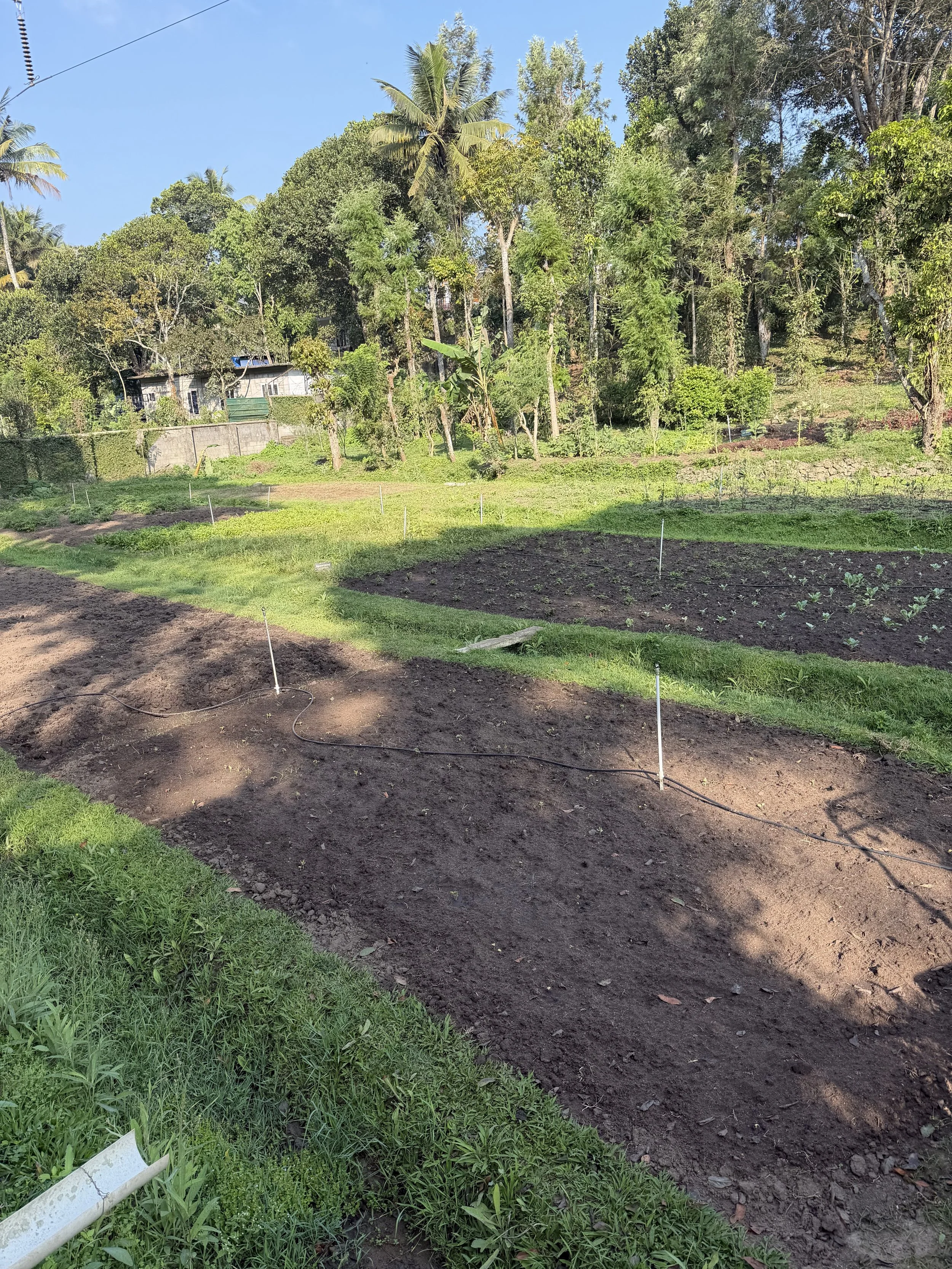
Organic garden at the Spice Village
Eventually we found the organic garden, a carefully tended patchwork of herbs, vegetables and young plants growing in neat beds. One of the gardeners was working there, cutting herbs for the kitchen, and when she saw us watching she smiled and handed us a few leaves of mint and peppermint, motioning with her hand for us to taste them. The smell was incredibly strong, far fresher than anything from a supermarket, and it felt very much like this was food that had travelled only a few yards from soil to plate.
Not far beyond the garden we passed the composting area, which was clearly an essential part of the whole organic system, though not the most pleasant place to linger. From there the path led us towards the yoga retreat area, quiet and shaded under the trees. I nearly jumped out of my skin when I caught sight of what looked like a tiger lying beside the path, only to realise a second later that it was a statue. For a moment it felt embarrassingly real, which I suppose says something about how convincing the setting is.
We carried on walking without much idea of where we were heading and eventually came across a covered sports court hidden among the trees. It seemed too good an opportunity to miss, so we ended up having a quick game of basketball, which felt slightly surreal in the middle of what was supposed to be a peaceful forest retreat.
Further along the path we found two ladies sitting on the ground beside piles of dried straw, tying it into bundles that would later be used for thatching the roofs of the huts. They were happy for photographs as long as we showed them the results afterwards, laughing when they saw themselves on the screen. It was one of those small moments you don’t expect on a walk like this, but it somehow summed up the place perfectly, half resort, half working village, with everyday life going on quietly behind the scenes.
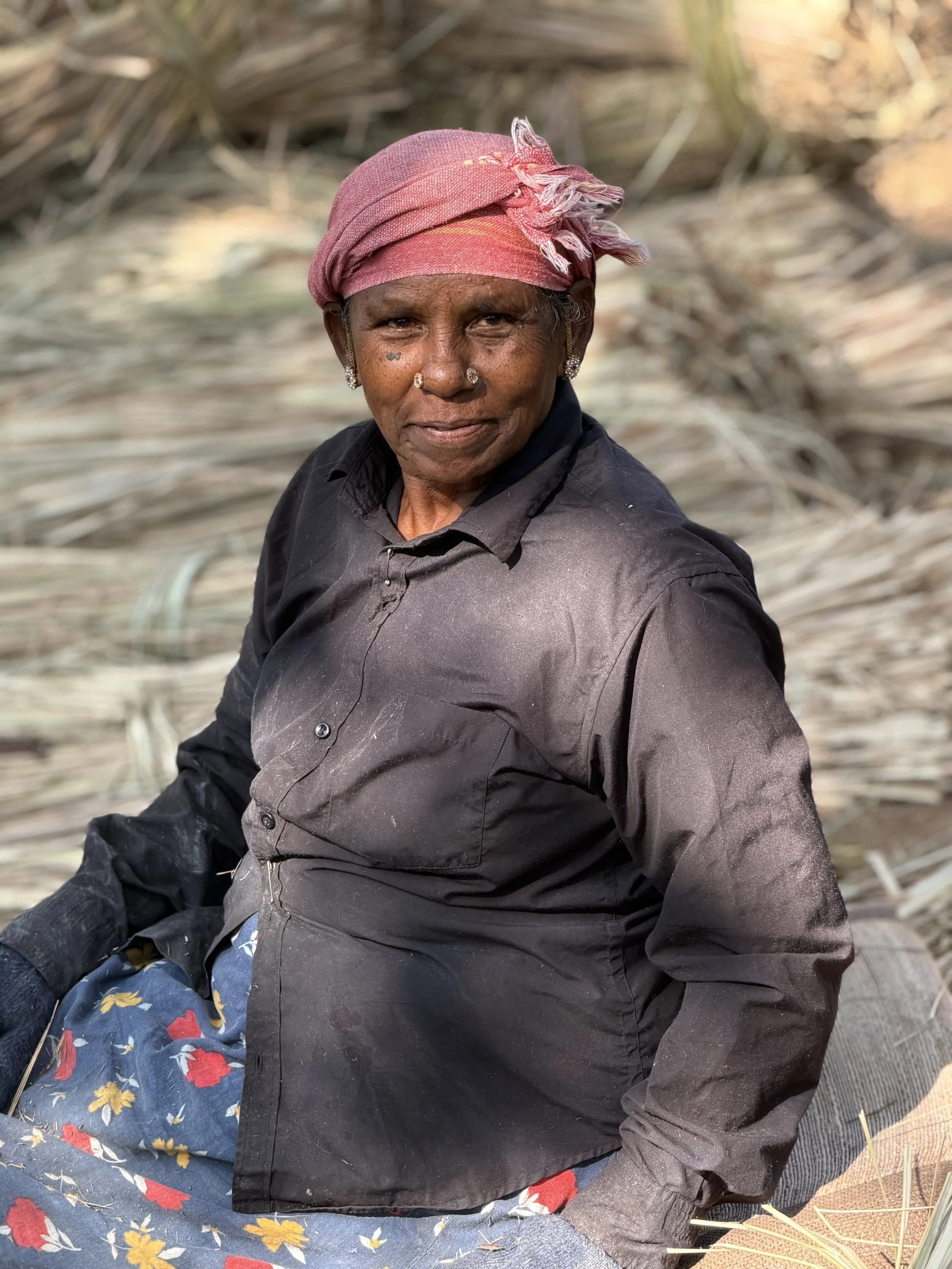
Worker at the Spice Village
By the time we made our way back to the veranda the forest was fully awake, the air already warm, and it felt as though we had seen far more than we expected from what had started as nothing more than a short morning stroll.
Spice garden
After breakfast we met the rest of the group in the car park for our organised visit to a nearby spice plantation, one of those excursions that everyone knows will probably end in a shop, but which is still worth doing just to see how things actually grow.
A short drive brought us to a small plantation tucked among the trees, far greener and more overgrown than I had imagined. Rather than neat rows, the plants seemed to grow wherever they pleased, climbing, twisting and hanging from taller trees. Our guide gathered us together and began walking us slowly through the garden, stopping every few steps to point out something we would never have noticed on our own.
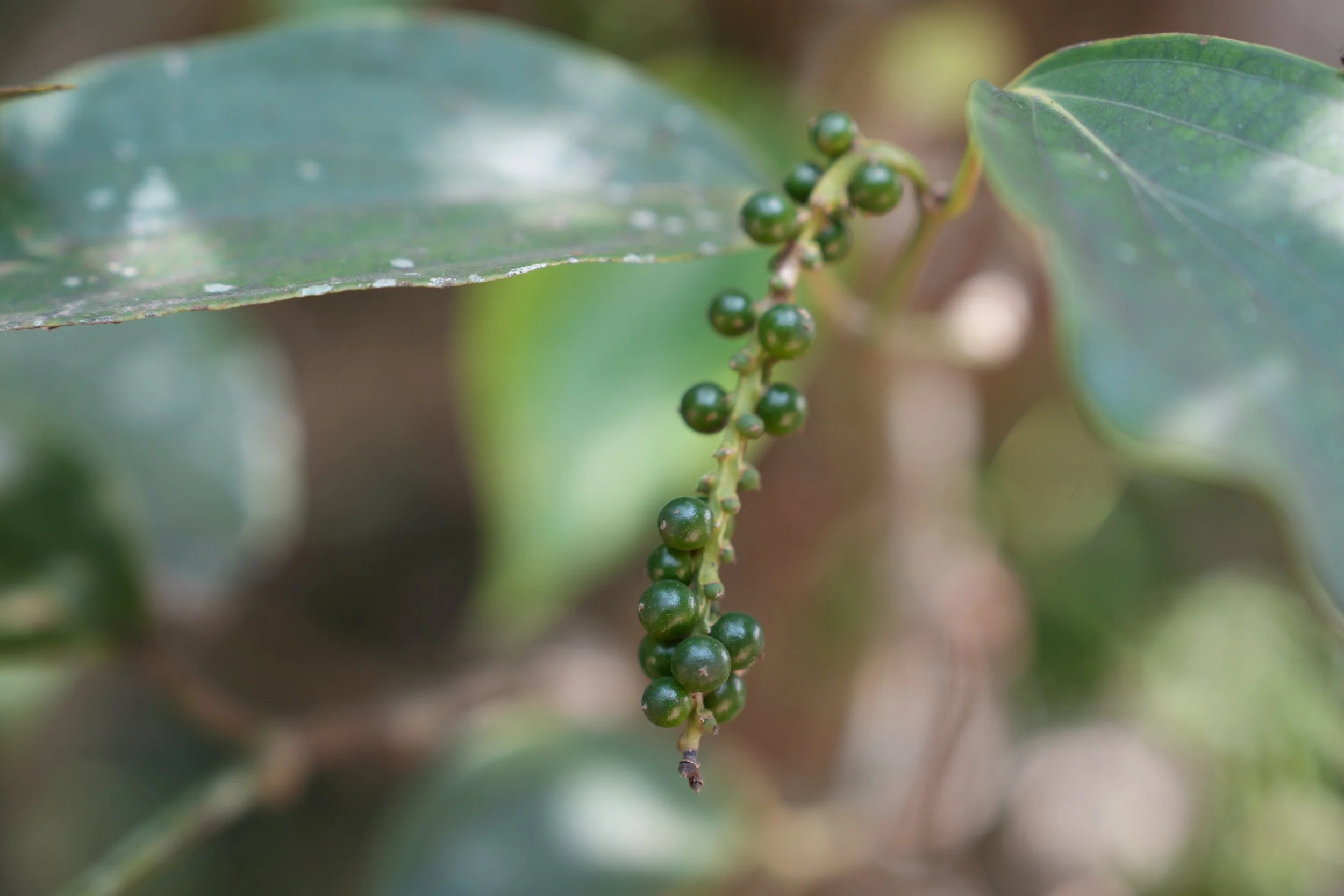
It quickly became clear how little we really know about the spices we use every day. Pepper grew in long dangling strands of small green berries, vanilla came from thin climbing orchids, and nutmeg turned out to be a fruit that splits open to reveal the bright red covering wrapped around the seed inside. Cinnamon, we were told, comes from the bark of a tree, peeled off in thin strips and dried, something that feels obvious once you see it, but never before.
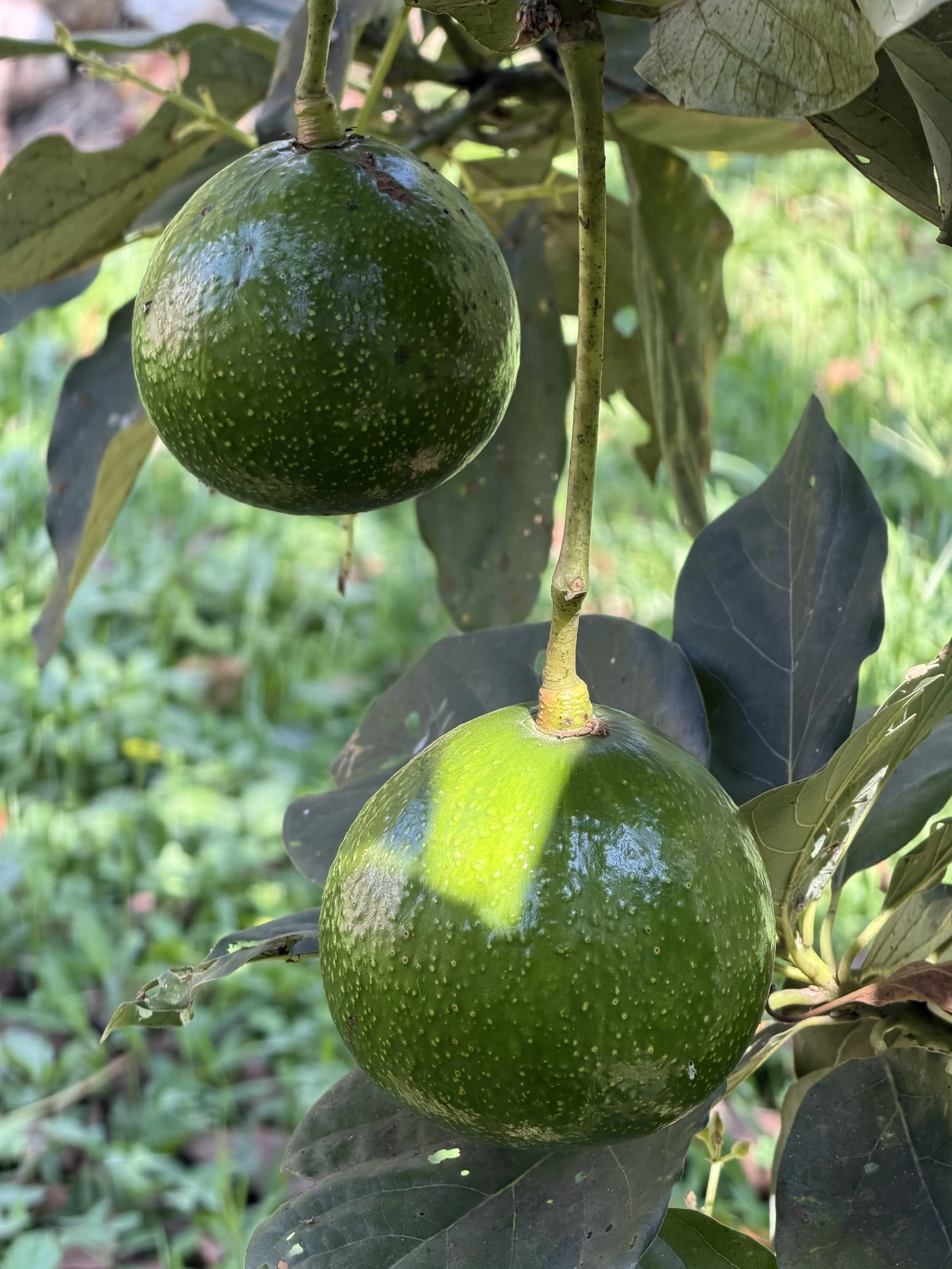
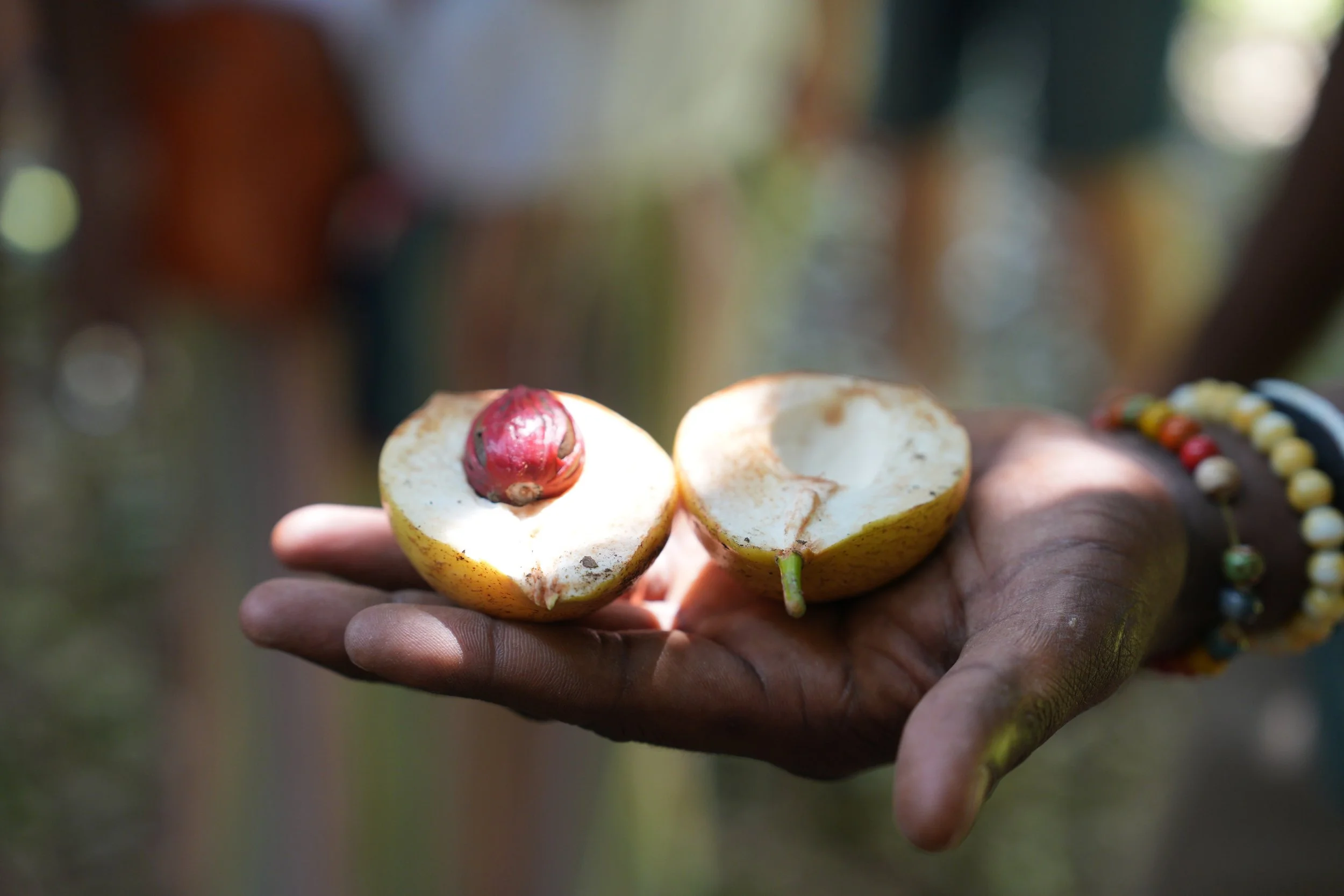
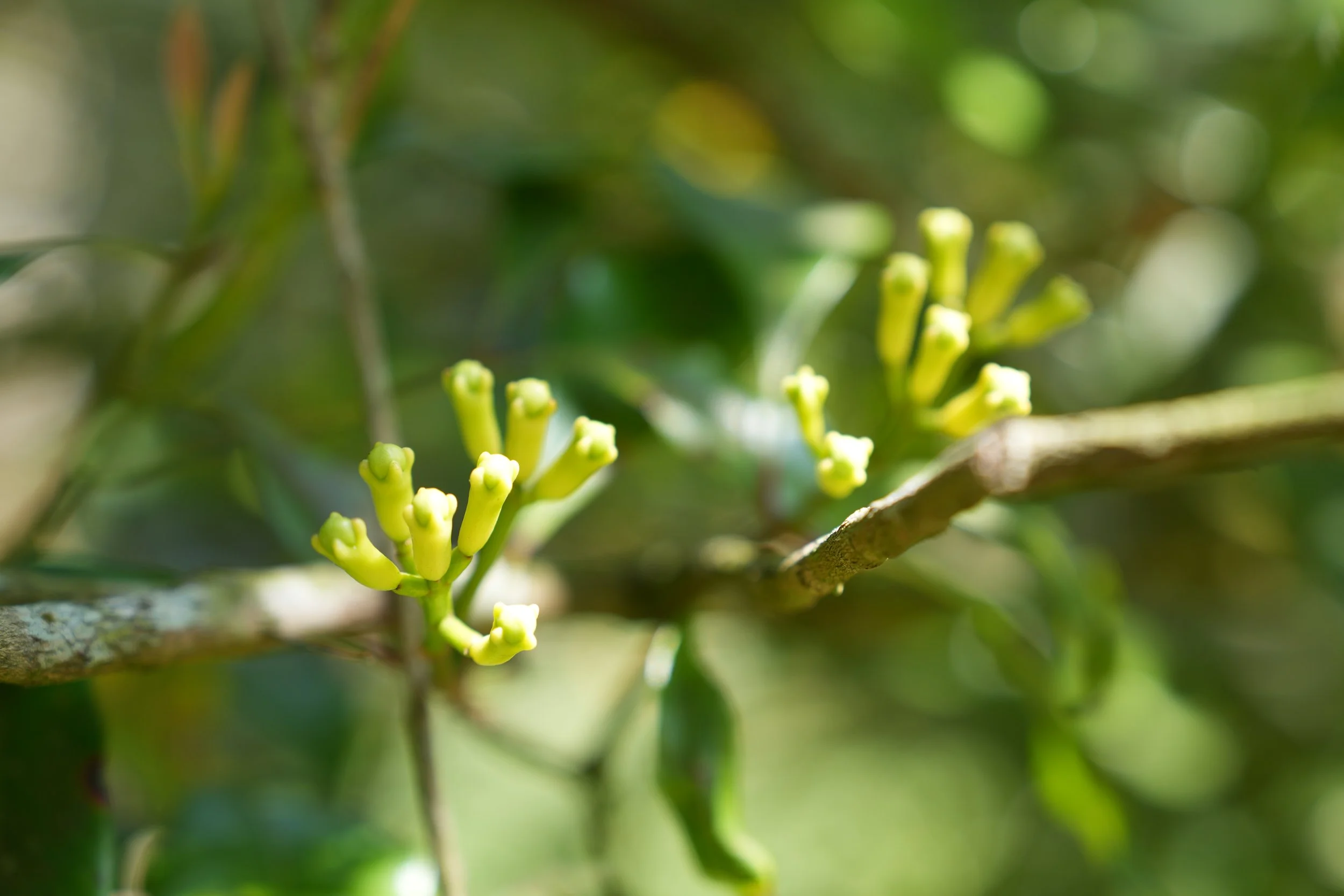
There were avocados hanging from branches, cocoa pods growing straight out of the trunk, and clusters of cloves forming at the tips of glossy leaves. Even the flowers looked unfamiliar, bright red and pink shapes that seemed almost too perfect to be real, growing among the tall stems in the shade.
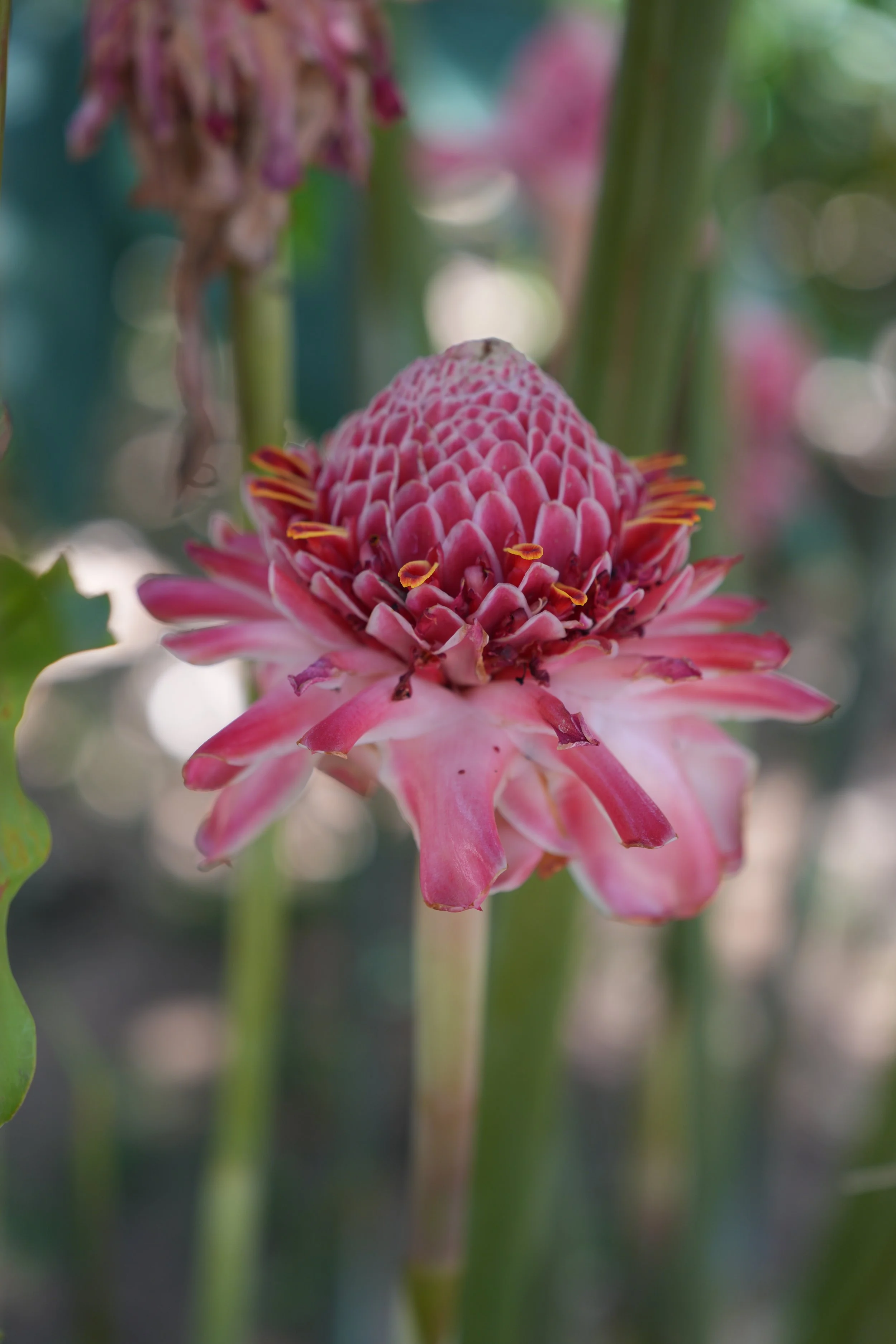
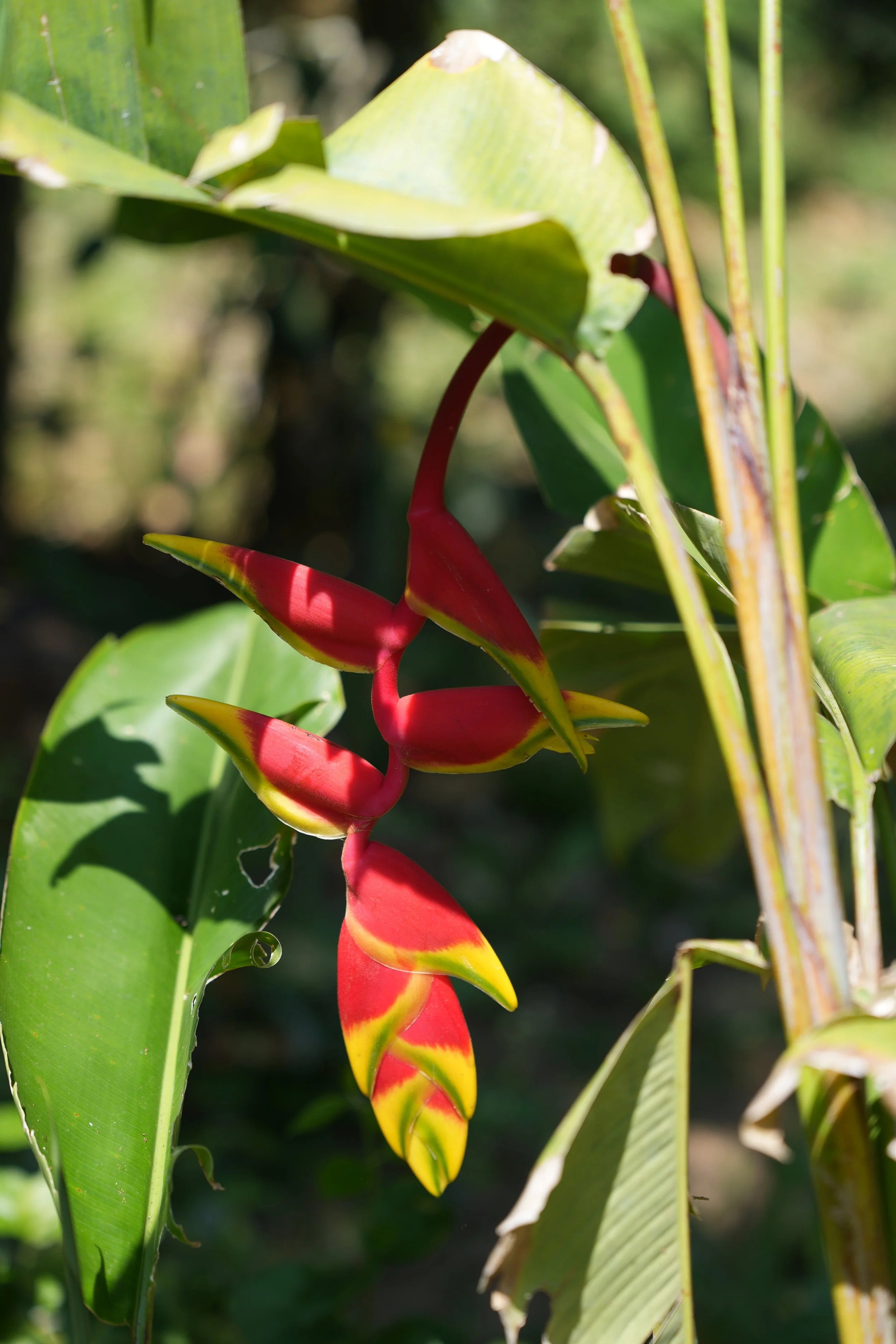
As we walked, the guide explained not only what each plant was, but also what it was supposed to cure. Before long we had heard how certain spices could help with digestion, others with sleep, others with blood pressure, and several that appeared to be good for almost everything at once. The soft sell started early, though always with a smile, and it was done so gently that nobody seemed to mind.
We were shown how to tell the difference between good vanilla and poor quality vanilla, how real cinnamon curls differently from the cheaper kind, and why freshly ground pepper should smell stronger than anything from a supermarket jar. It was part lesson, part demonstration, and part introduction to what was available to buy just a few steps away.
Of course the walk ended in the shop, with shelves full of spices, oils, chocolate, soaps and remedies for just about everything. Some of the group were determined not to buy anything, others were already reaching for their wallets, and the rest of us hovered somewhere in between, telling ourselves we were only looking.
Even so, it was hard not to enjoy the visit. Seeing the plants growing in the shade of the trees, rather than in packets on a kitchen shelf, made the whole thing feel more real. By the time we left, the smell of pepper, cinnamon and cloves seemed to follow us all the way back to the coach, a reminder that this part of the world has been trading in spices for centuries, and still knows exactly how to sell them.
Periyar Tiger Reserve
We gave lunch a miss, deciding instead to wander into town for a while before meeting the group again for our afternoon boat trip in the nearby Periyar Tiger Reserve. The first surprise of the excursion was the journey itself. We boarded the coach for what turned out to be a ridiculously short drive, quite literally around the corner to the park entrance, where we then had to change onto another bus to take us down to the lake. In the process we even passed our own hotel again, which by this stage of the tour felt entirely normal. Nothing about the logistics really surprised us anymore.
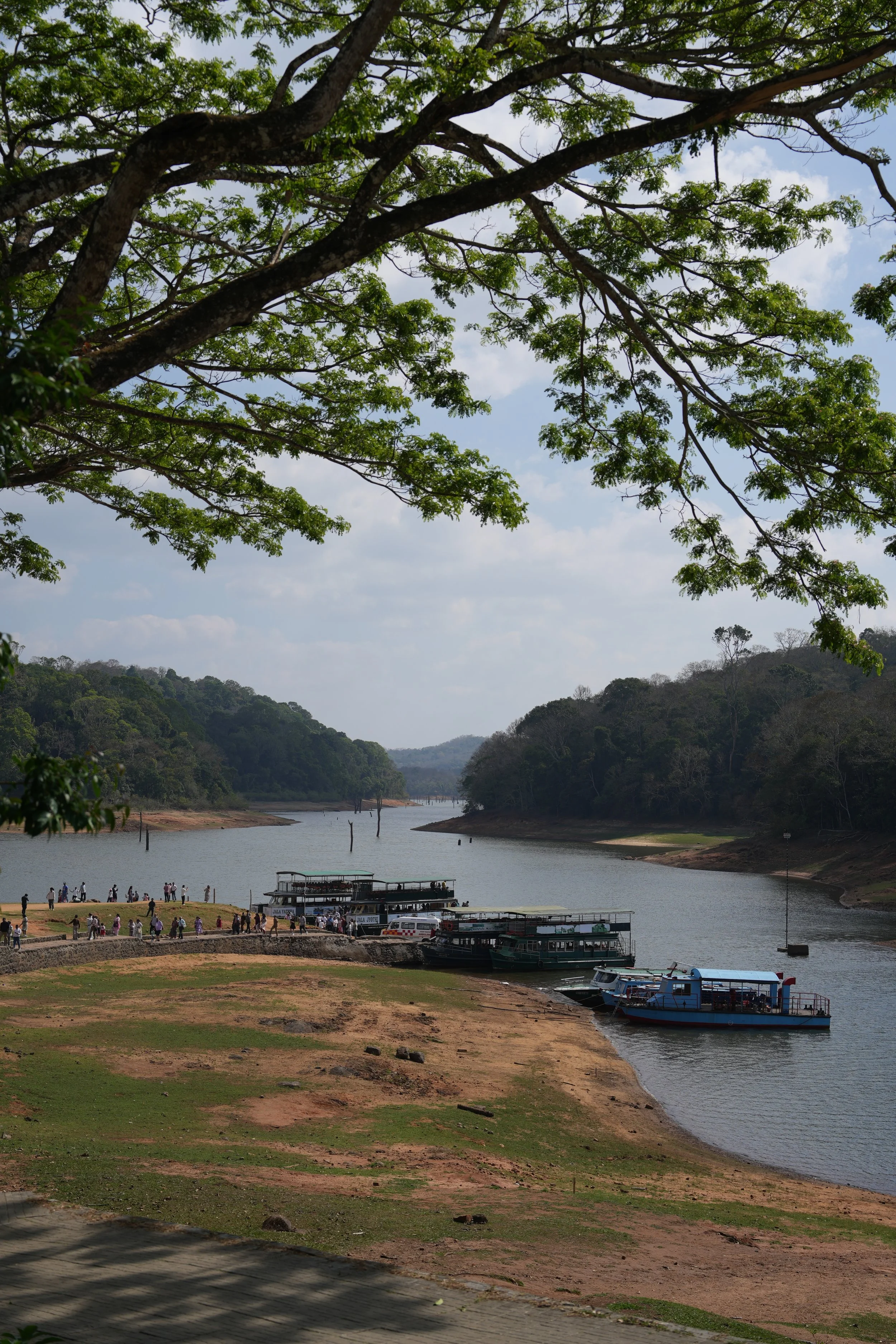
At the jetty it quickly became clear that this was a very different kind of wildlife experience from Ranthambore or the quiet houseboat cruise in Kerala. The scale of the operation was much larger than we had expected. Several big boats were moored along the shore, each one capable of carrying well over a hundred people, and groups stood waiting while the previous passengers disembarked. While we waited, as usual, monkeys played in the trees above the path, leaping between branches with complete confidence, occasionally stopping to stare down at us as if wondering what all the fuss was about.
Eventually our guide waved us forward and we joined the line walking down the steps towards the water. We had been lucky enough to have seats reserved on the upper deck, and I managed to claim one on the outside rail alongside a few of the other photographers in the group, one of whom was carrying a camera with a lens so long it looked as though he could photograph wildlife in the next county.
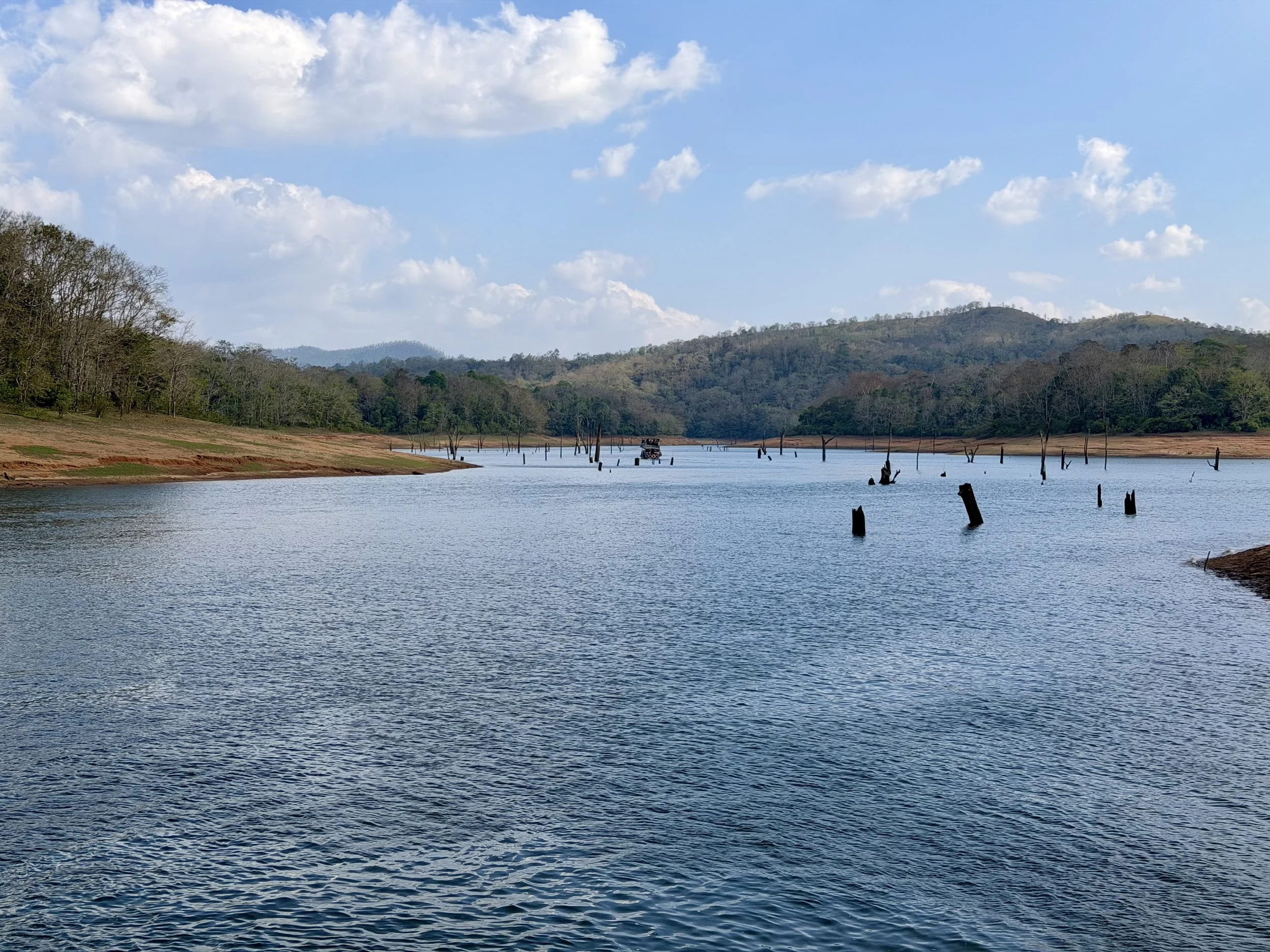
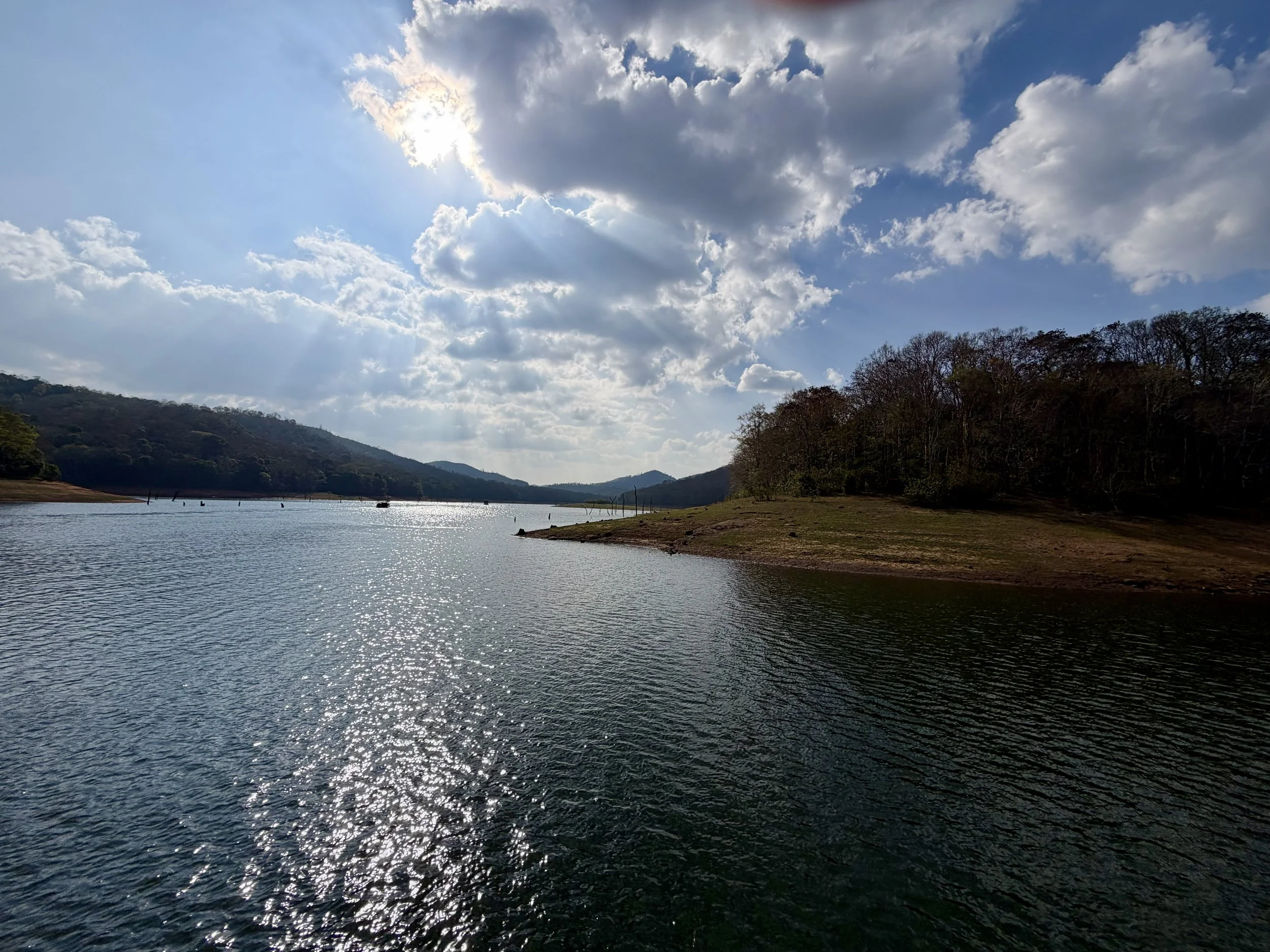
The boat pulled away from the shore and headed out onto the wide, still water of the lake, its surface broken only by the dark stumps of old trees standing like posts in the shallows, the forested hills rising on both sides, the edges of the water marked by bands of dry earth where the level had fallen back.
At first the wildlife sightings were not especially dramatic. A few deer grazed on the far bank, hardly more than shapes against the grass, and the park guides walked slowly along the deck with binoculars, occasionally taking passengers’ phones to show them a closer view of what we were looking at. The offer was politely received, though not always welcomed, as most people preferred to try to capture the moment for themselves, even if the distance made that harder than expected.
Then, as we rounded a bend in the lake, it became obvious that something ahead had caught the attention of the boat in front of us. It slowed, then began to turn, and everyone on board suddenly stood up at once, craning to see what was on the far bank.
There, just above the waterline, were two elephants, a mother and her calf, walking slowly along the edge of the lake, stopping now and then to pull at the grass or take a drink. They were further away than we would have liked, and unfortunately on the opposite side of the boat from where we were sitting, which meant that for a few moments all we could see were the backs of other passengers.
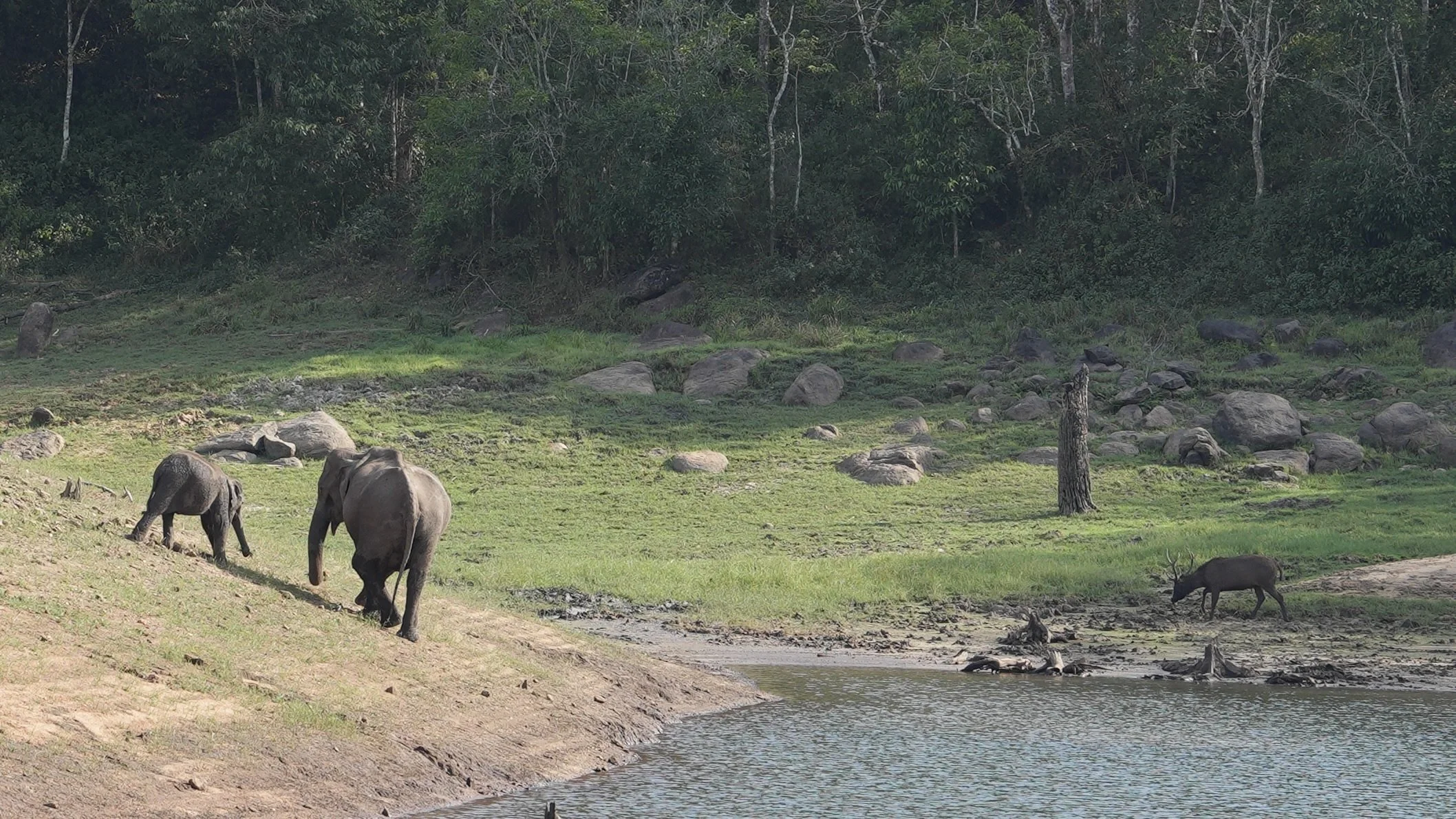
Elephants at Periyar Tiger Reserve
Fortunately the pilot understood exactly what everyone wanted and eased the boat into a slow turn, bringing our side round until we had a clear view as well. Cameras came up instantly, shutters clicking all along the rail. After seeing tigers earlier in the trip, finding elephants here as well felt like an unexpected bonus, and for a while nobody said very much, just watched as the pair moved quietly along the shoreline.
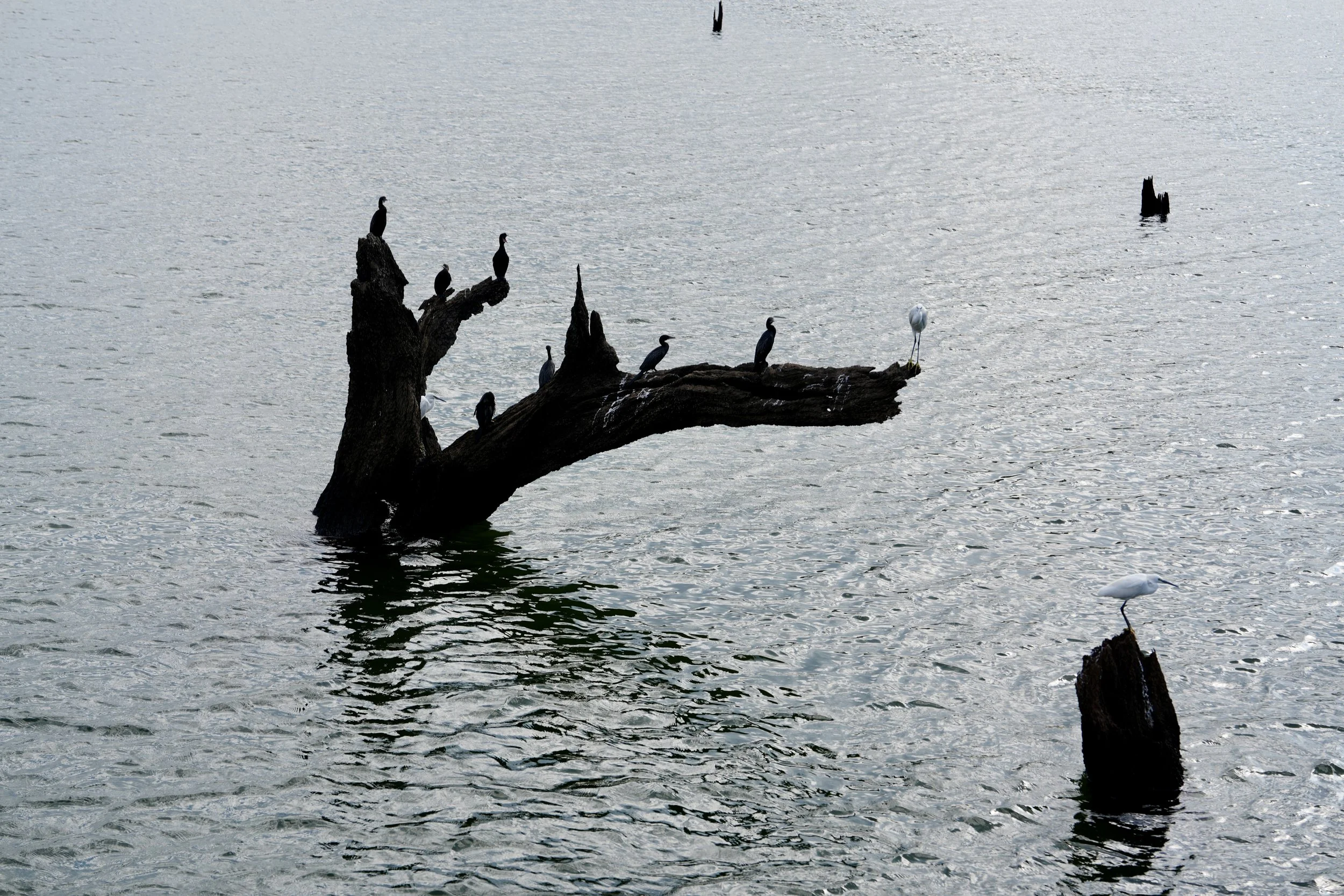
We continued further up the lake, passing more of the ghostly tree trunks rising from the water and the occasional bird perched on the dead branches, but everyone knew what the real highlight had been. Sure enough, on the way back the elephants appeared again, this time on the other side of the lake, a little closer than before, though still far enough away to remind us that this was not a zoo but a reserve, and the animals would always keep their distance.
By the time we turned back towards the jetty I had mostly given up trying to get the perfect photograph and just enjoyed the ride for what it was. The light on the water, the hills in the distance, and the quiet movement of the boat made it feel less like a safari and more like a gentle cruise through the reserve.
We stepped back onto the shore without any further sightings, but nobody seemed disappointed. We had seen what we came for, and perhaps a little more than we expected.