Lake Pichola at Dusk
Today was our earliest start yet. With Holi tomorrow, we’d been warned that almost everything in Udaipur would close; boats on the lake, visitor attractions, even many shops. So as a group we agreed to reclaim some time by setting off earlier than planned.
The Road to Udaipur
The eight-hour journey from Jaipur passed more quickly than expected. Leaving at dawn helped; the city was still stretching awake, traffic light, junctions manageable. Later, as we approached Udaipur around 2pm, the roads tightened again. With festival restrictions already beginning to shape the streets, our coach zigzagged its way through town before depositing us at the Garden Restaurant beside the Vintage & Classic Car Museum.
Lunch was a traditional thali, served on a gleaming metal tray with small bowls arranged like a painter’s palette. In the centre, a mound of white rice. Around it, ladles of yellow dal, a mild kadhi, spiced potatoes, cabbage, black-eyed beans, fresh chapati and naan, a small sweet, and even a creamy dessert dotted with nuts. I tend to think of thali as Indian “fast food” — not in quality, but in the sense that everything arrives at once, no decisions required, just dive in and mix as you please.

Thali lunch at the Garden Restaurent in Udaipur
Our guide had thoughtfully requested non-spicy food for the group. That decision met with predictable resistance from a few of us. Extra “spicy” portions were produced, though by our standards they were still relatively gentle. It was flavourful rather than fiery — turmeric, cumin, mustard seeds — warm and comforting after the long drive.
Polished Chrome and Quiet Rooms
After lunch we wandered next door into the Vintage & Classic Car Museum. It turned out to be far more interesting than I’d expected. Inside, polished chrome and curved bodywork gleamed under soft light. Rolls-Royces dominated the collection — imposing grilles, vast headlights like glass eyes, the Spirit of Ecstasy poised forward on long bonnets. One in deep, slightly weathered green showed its age in the paint, but the chrome still caught the light beautifully. Another stood immaculate in black and silver, its vertical grille reflecting the room like a mirror.
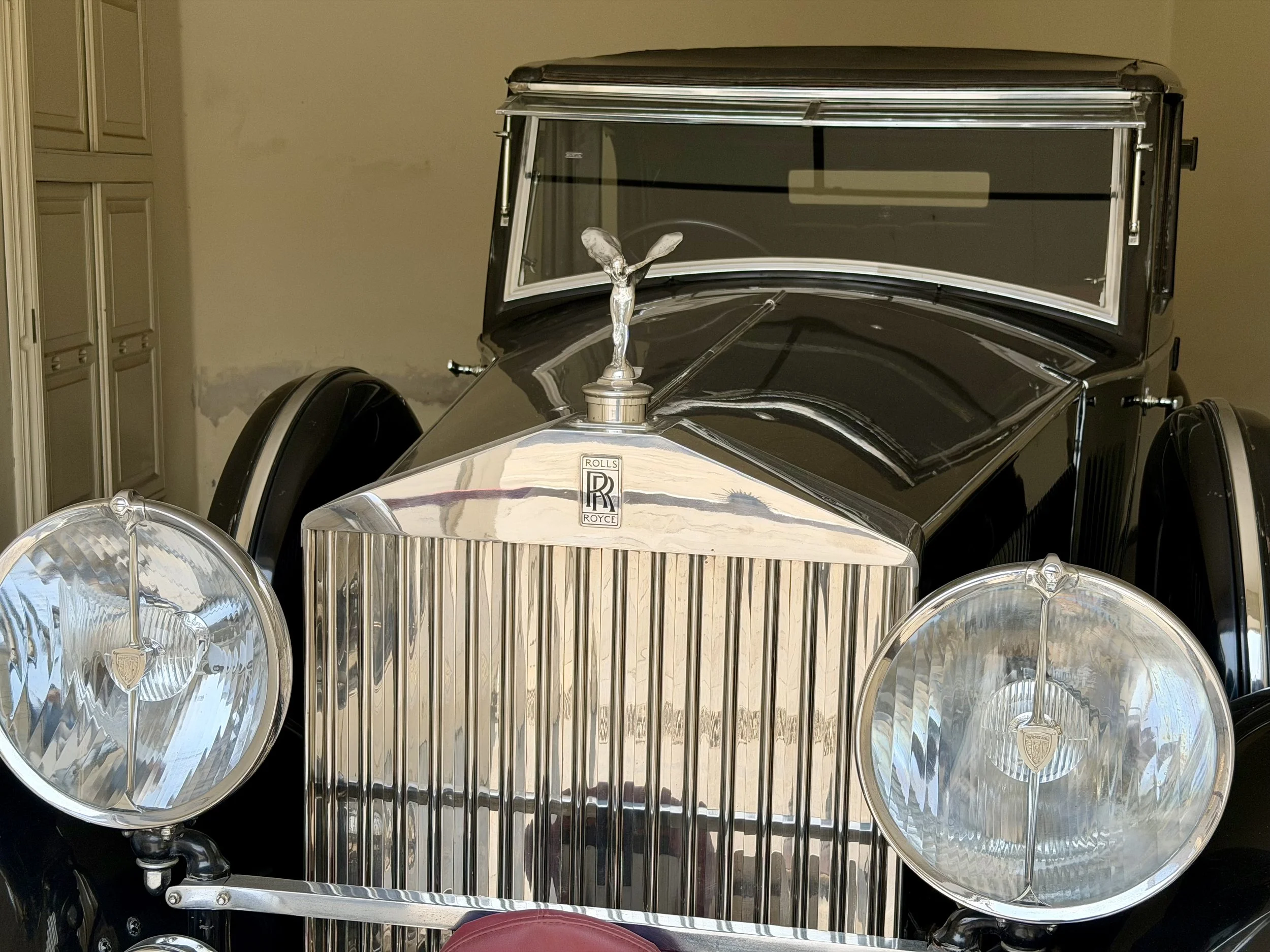
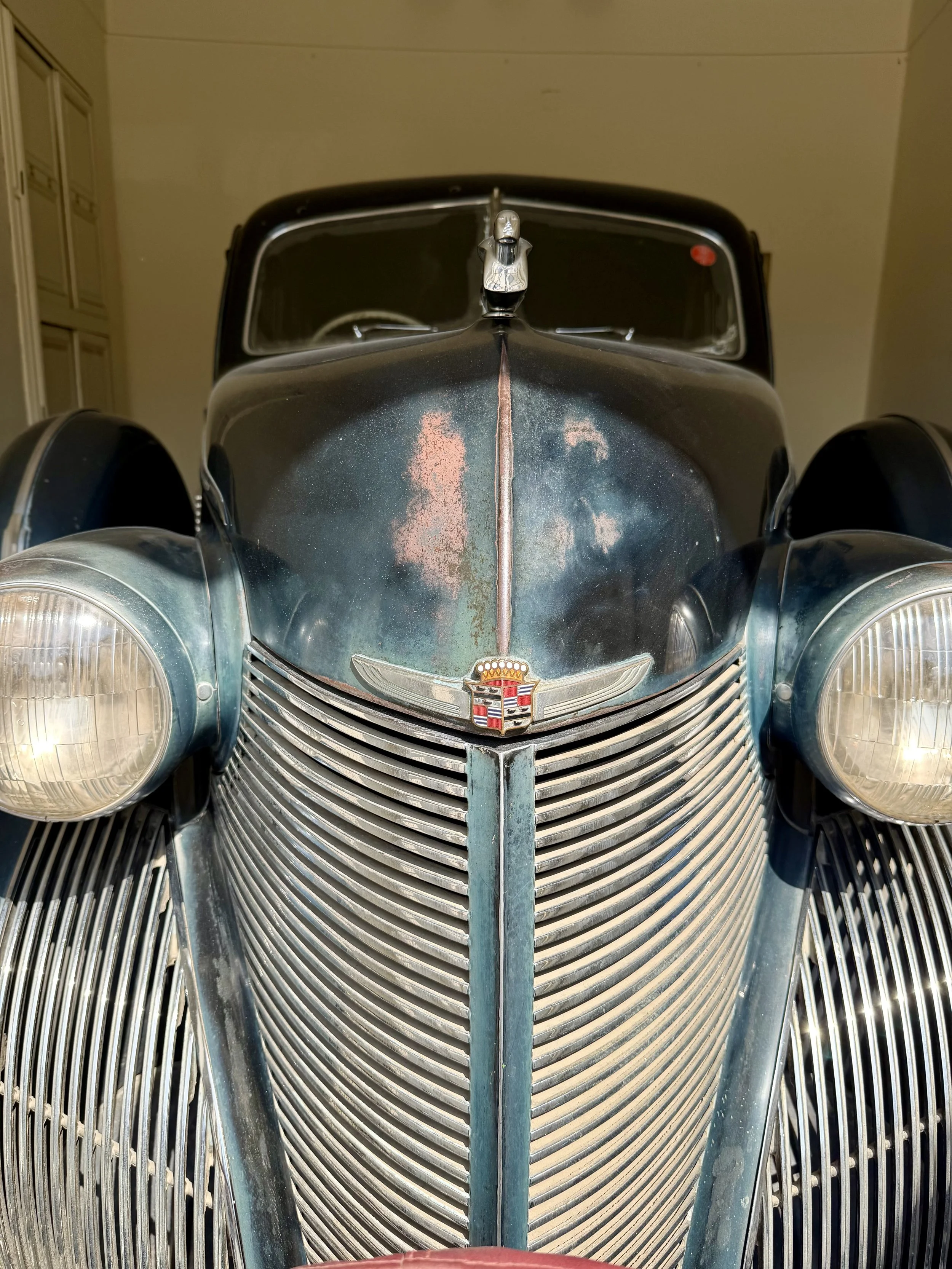
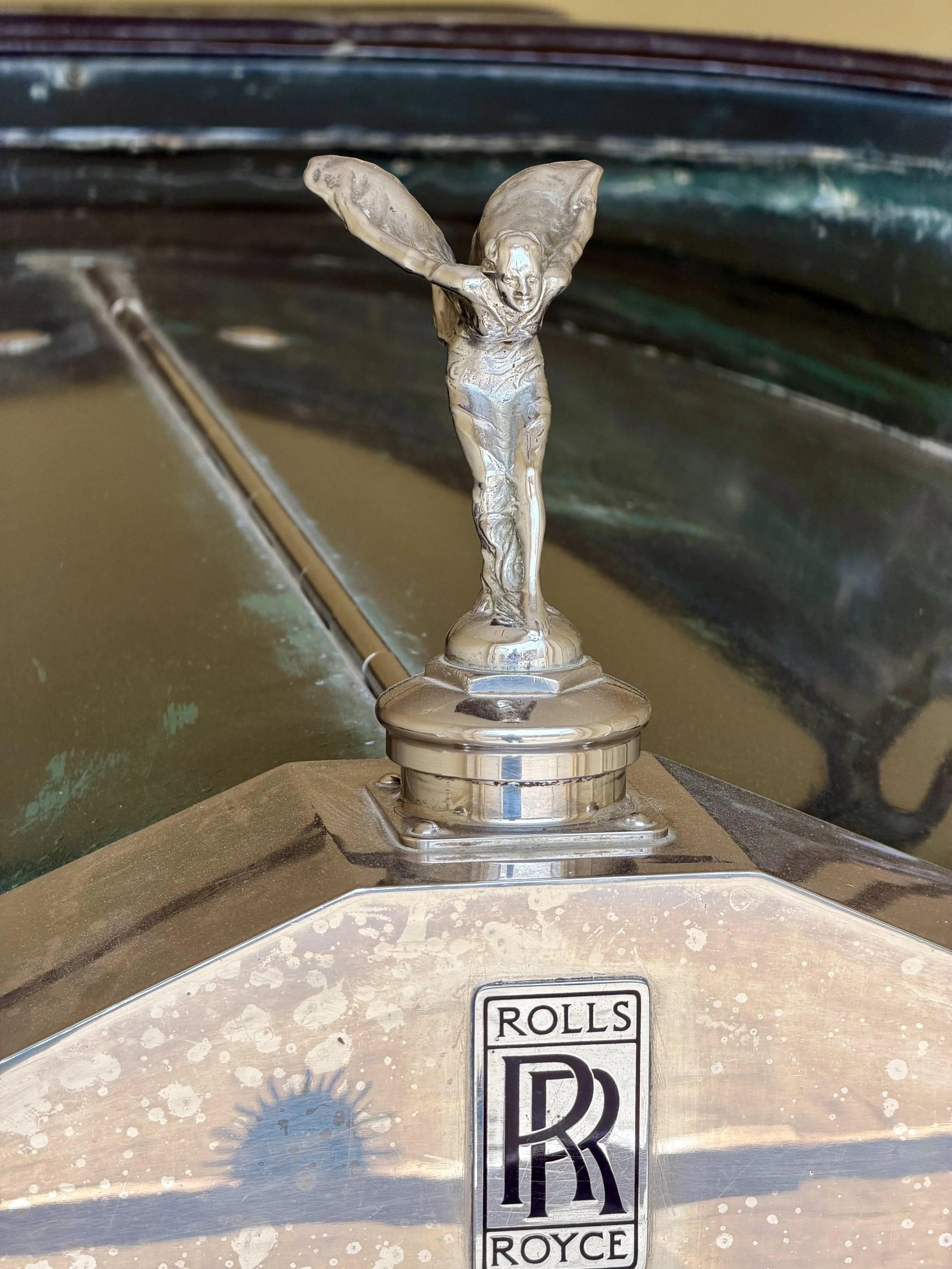
Surprisingly, there were American Cadillacs too, their presence a reminder of how global automotive luxury once was. The scale of these cars is striking — wide running boards, sweeping fenders, vast bonnets stretching ahead like the prow of a ship. They speak of a different era entirely, one of princely states, ceremony and display.
It was a good place to stretch our legs after hours on the coach. A wander among quiet, dignified machines felt strangely calming. Outside, Udaipur was preparing for colour and chaos. Inside, polished metal and symmetry.
We all climbed aboard the coach, only to climb off again three minutes later. Our hotel was almost comically close to the drop-off point. This was an alternative to the original “resort-style” property we’d expected when booked. Instead, we found ourselves in a smaller boutique hotel tucked into the fabric of the old city.
I’ll admit, I was slightly grumpy at first. The room felt compact, the facilities more modest than promised, no sprawling grounds or poolside bar. After eight hours on the road, that mattered to me more than it probably should have.
In the end, though, its location proved priceless, especially with Holi about to close down half the city.
As an example, after a short nap, we regrouped and walked the short five minutes to Lake Pichola. The City Palace, rising tier upon tier above the water, was already closed for the festival. Even from outside it dominates the shoreline, cream façades catching the late light, domed chhatris crowning the roofline, balconies and layered courtyards stepping back into the hillside. It feels less like a single building and more like a miniature city stacked upon itself.
Instead of touring inside, we headed straight for the water. Within fifteen minutes our chartered boat was ready, perfect timing, just as our guide had promised. The sun was lowering behind the hazy Aravalli hills, turning the lake to silver and then to molten gold.
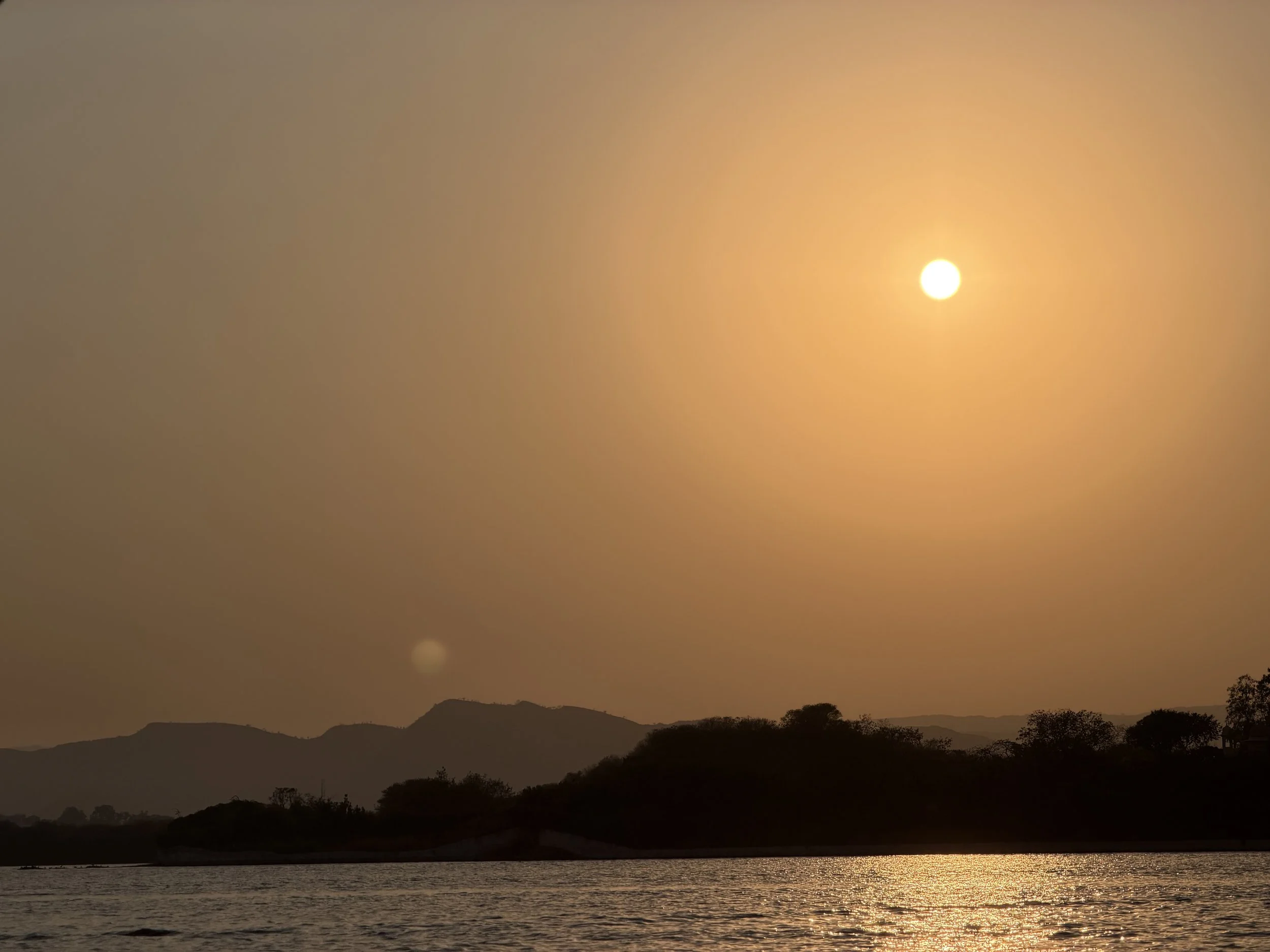
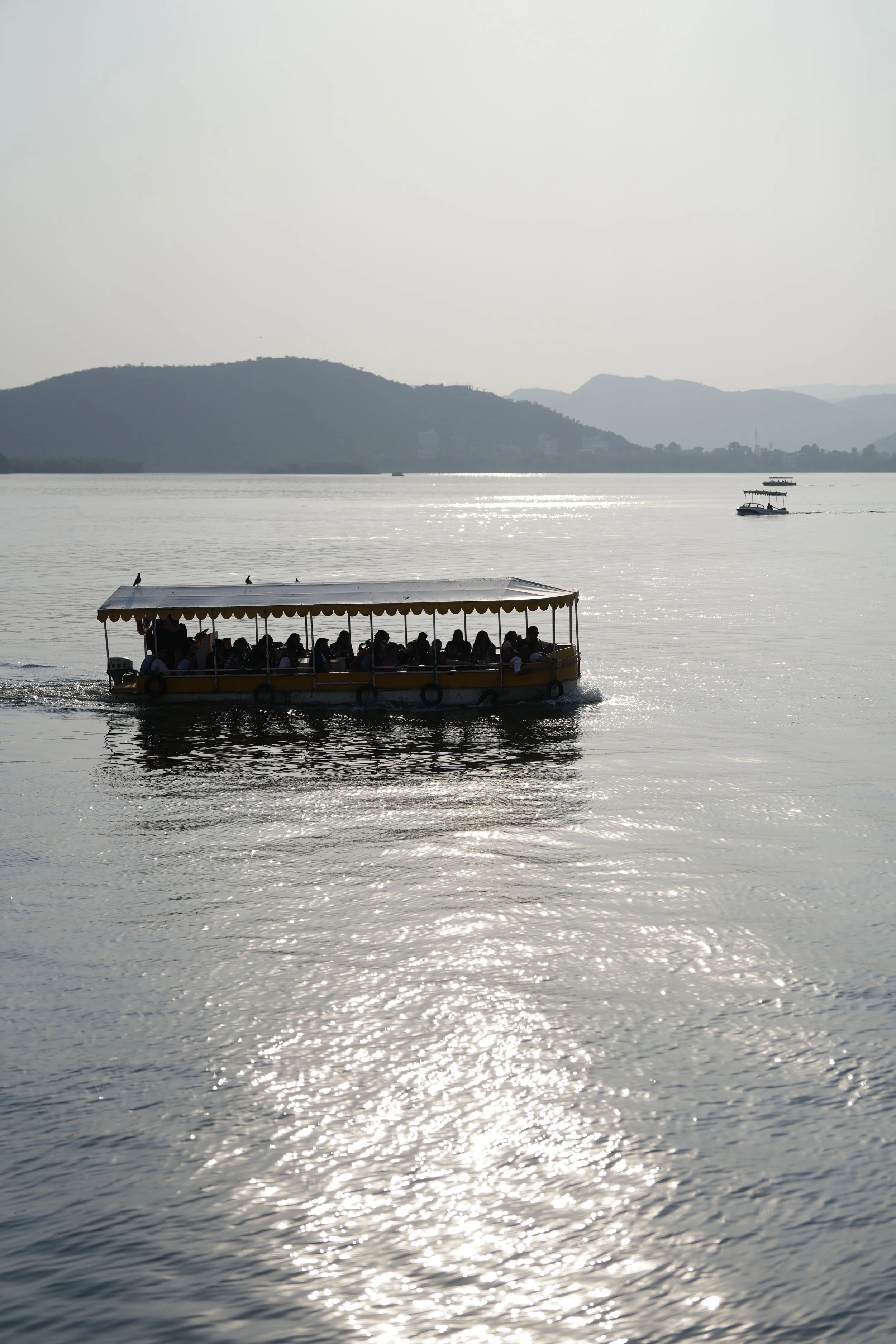
We boarded, and yes, I managed to sit on what turned out to be the “wrong” side for the strongest palace light. Entirely my own fault. As we moved slowly along the edge of the lake, the City Palace glowed softly above its white defensive walls, reflections trembling across the water. Further out, other boats drifted by, long, low craft packed with passengers under scalloped canopies. From the distance they appeared almost as silhouettes, gliding across the shimmering surface.
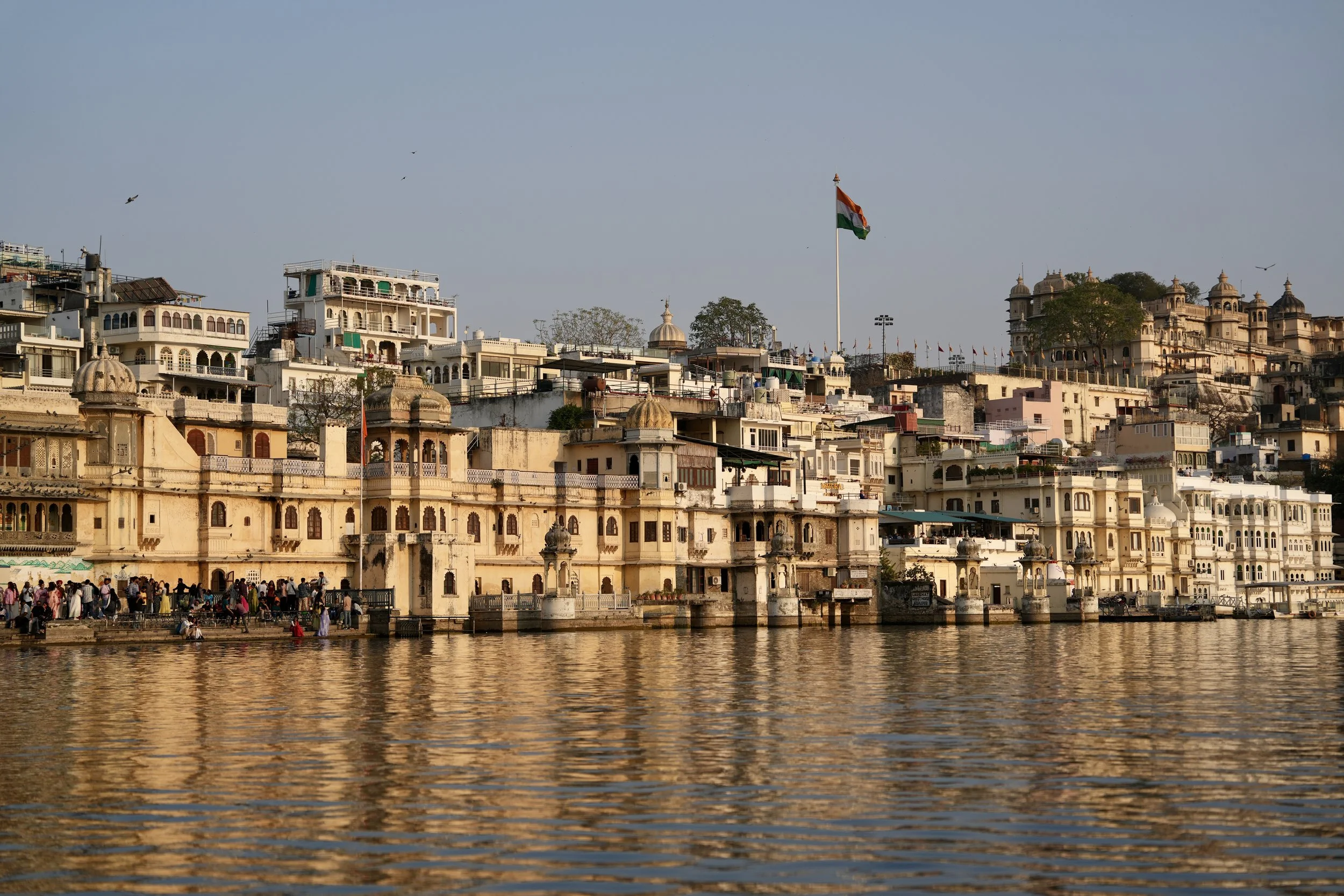
City Palace side of the lake
On our side of the boat, the Lake Palace came into view, that extraordinary white structure floating like a mirage in the centre of the lake. Against the soft grey-blue of the hills behind it, it looked impossibly delicate. The water around it was calm, and the late light gave the marble a faint blush.
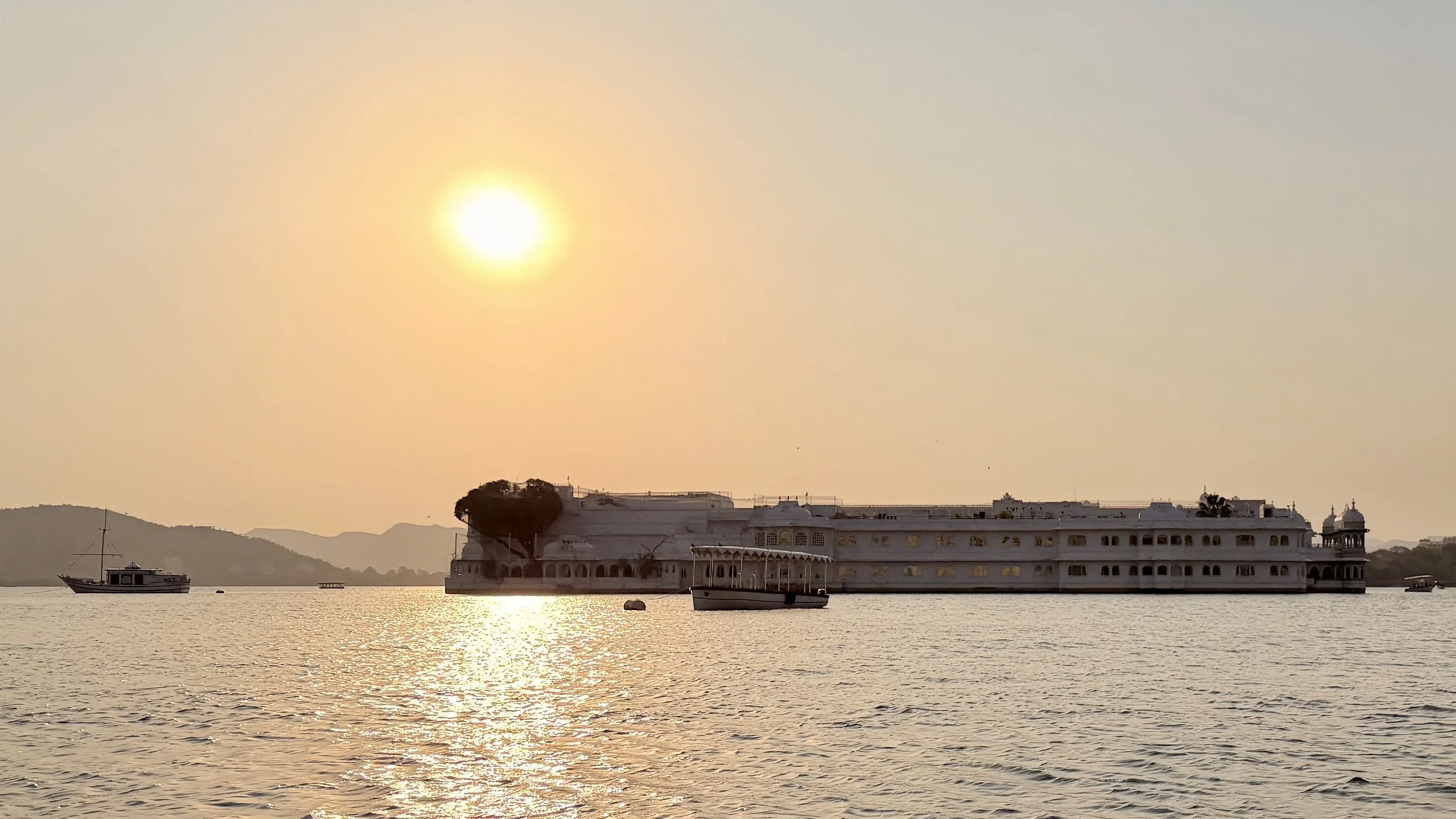
Lake Palace
Chasing the Light
Closer to the old city ghats, the atmosphere shifted again. Along the waterfront steps, people gathered in clusters — families, young couples, children dangling their feet near the water’s edge. A temporary purple and orange structure had been erected near one of the entrances, perhaps for festival events. Above the rooftops, the Indian flag flew high and steady, catching the last of the light.
The boat carried us out across the open water towards Jagmandir Island Palace, another of those places that seems to float rather than sit on the lake. Unlike the more photographed Lake Palace, Jagmandir feels slightly more reserved. Access is controlled, mostly charter boats like ours, and that exclusivity adds to the quiet.
As we approached, the sandstone pavilion came into view, domed chhatris catching the last warm light, palm trees rising behind them in neat ranks. A long stone pathway lined with low black lantern posts led inward from the landing point, drawing the eye straight towards the central pavilion. Even before stepping off the boat, you could feel the symmetry of the place.
Our guide gathered us near the entrance to explain the history, Mughal connections, royal refuge, princely politics, but the photographers among us were growing restless. The sun was dropping quickly, the light turning from gold to amber by the minute. You could almost hear shutters itching to fire.
Eventually we were released.
We moved towards the far edge of the island where the view opened westward across Lake Pichola. Surprisingly few people were there. Perhaps the impending Holi closures, perhaps the limited access — whatever the reason, it felt almost private. The lake stretched wide and calm, faint ripples catching the orange glow.
The Aravalli hills formed a dark, undulating silhouette against a sky that was shifting from peach to deepening copper. The sun hovered for a moment just above the ridge line, a clean, glowing disc, and then slid slowly behind the hills. In the final seconds, the water transformed into molten bronze, the light laying a shimmering path across the surface.
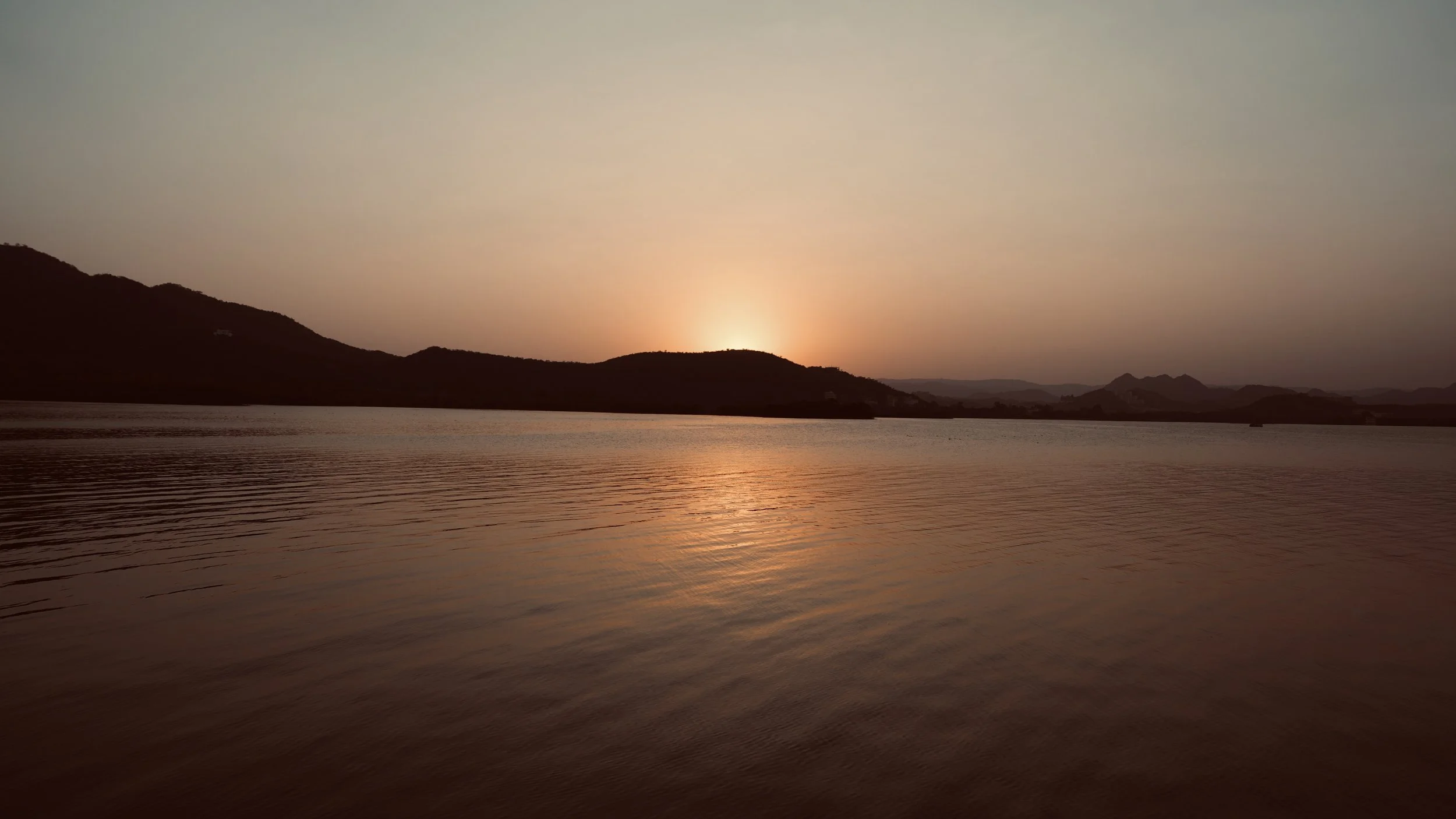
Sun setting on Lake Pichola
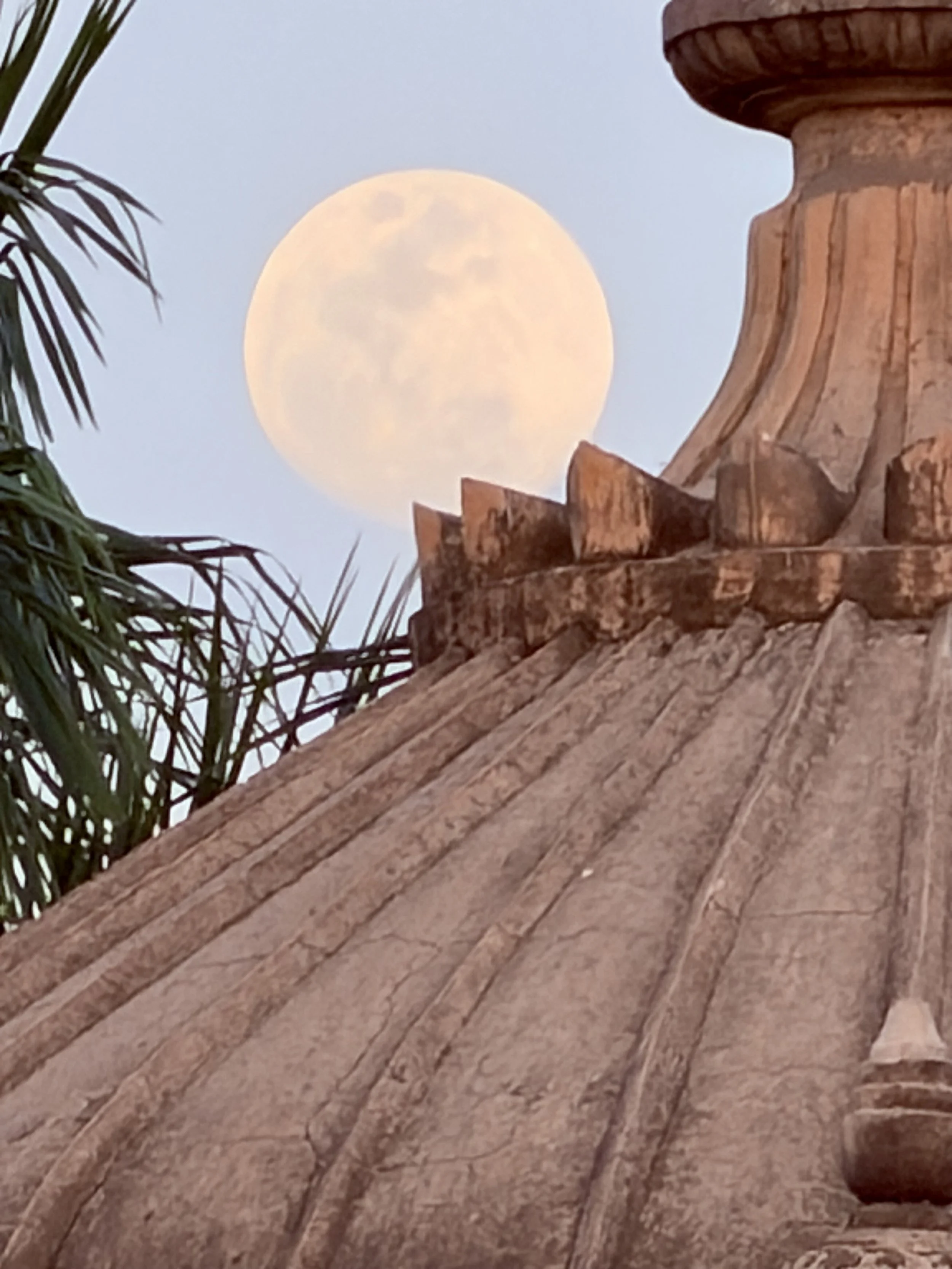
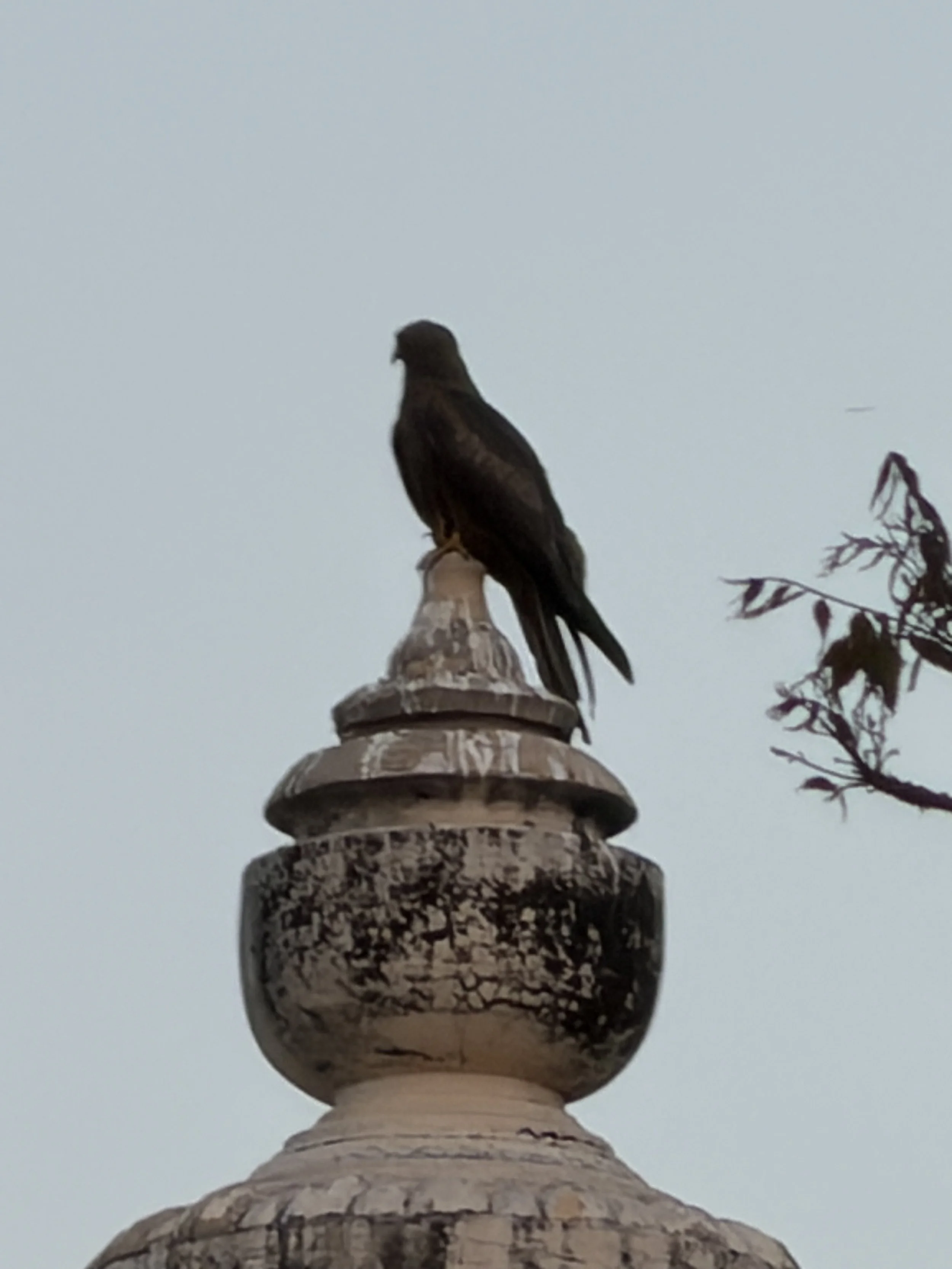
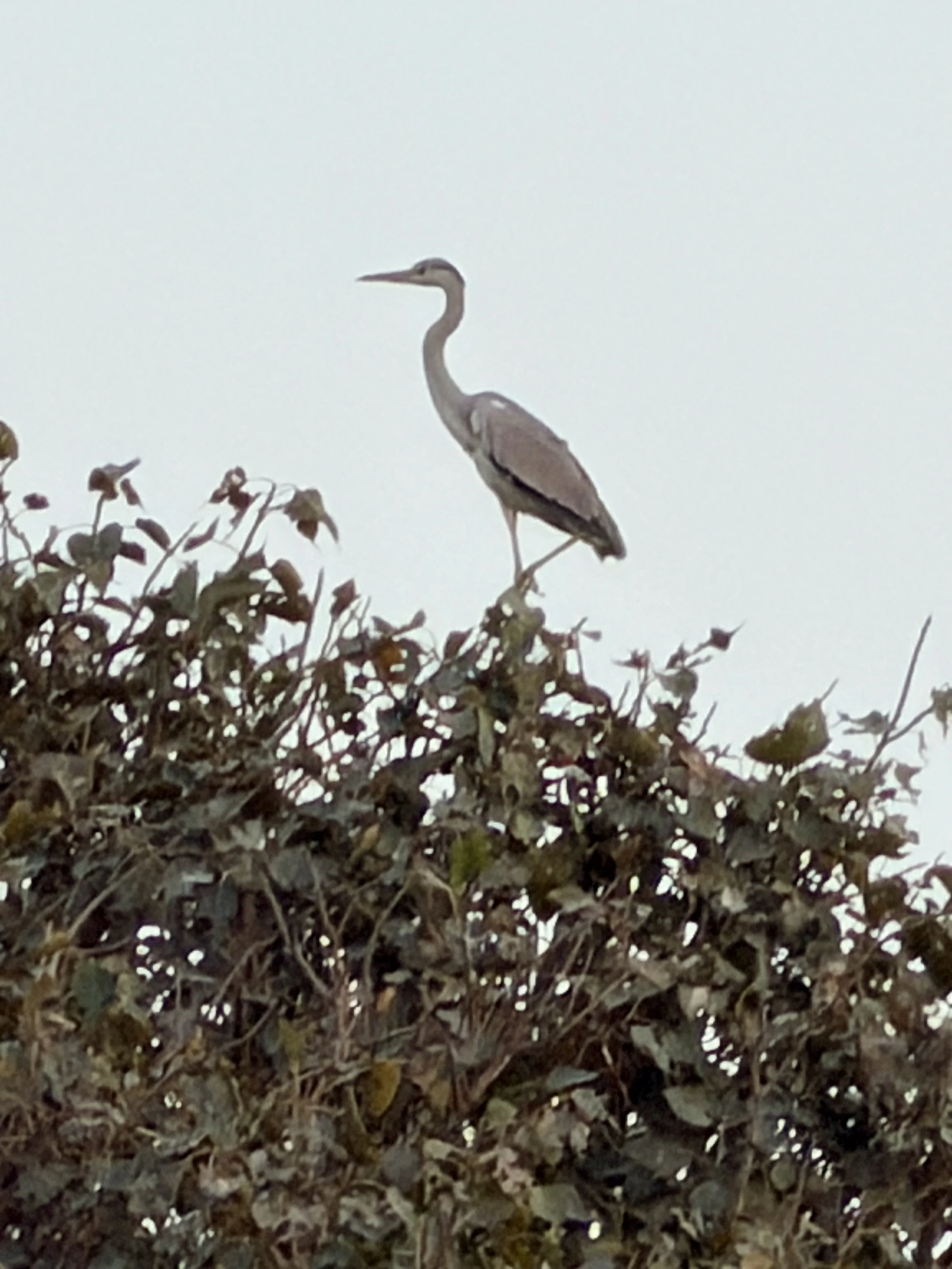
Above us, birds were settling for the evening. A dark kite perched confidently on one of the domed finials, outlined against the pale sky. A solitary heron stood balanced on a leafy crown nearby, perfectly still, long neck poised as if carved from stone. And as the sky cooled further, the moon began to rise — pale and almost translucent at first — appearing improbably large behind one of the domes, as though placed there deliberately for composition.
After the Sun Has Gone
There is something about that moment when the sun disappears, not dramatic, not noisy, just a gradual surrender of light. Even the most impatient photographers lowered their cameras for a second and simply watched.
Satisfied that we had chased the light as far as it would go, we drifted back towards the small café on the island. Beer for some, coffee for others. The sky was now a wash of apricot fading into blue-grey, the lake darkening by the minute.
My wife and I slipped slightly away from the group and found a quiet spot overlooking the water. Across the lake, the City Palace was now a pale silhouette, its stacked façades gently illuminated against the deepening dusk. I had finally, reluctantly, put the camera down. In a place like that, it’s surprisingly hard to stop photographing. There is always one more reflection, one more colour shift, one more composition.
In the distance, fireworks began to crackle over Udaipur, brief bursts of colour flaring above rooftops in anticipation of Holi. Their echoes rolled faintly across the lake. It felt festive, but far enough away not to intrude.
For a few minutes we simply sat. No itinerary. No guide. No need to move. Just the two of us, the soft clink of glasses, the water below, and the city settling into evening.
Those quiet minutes, unplanned and unremarkable on paper, may well prove to be the highlight of the whole tour for me. Not the palaces or the sunsets, but the stillness in the near darkness shared together.
The last glow lingered along the horizon, a band of fire fading into blue-grey. Tomorrow the city will erupt into colour and chaos.
This evening was restraint, reflection, and finally a quiet gratitude… for being together in such a beautiful place, at such a fleeting moment in time.