The road to Amritsar
From the Hills to the Plains — Shimla to Amritsar
A transition day for us, as we drove down from the hills of Shimla and gradually onto the flat plains of Punjab and onwards to Amritsar. The tight bends and pine forests gave way to straight roads and open land. The temperature rose as we descended, and the landscape changed noticeably.
On the edge of the plains we passed brick kilns and small factories. The tall kiln chimneys stood out against the sky, producing bricks for the constant construction you see across northern India. There were warehouses and roadside businesses lining parts of the highway, practical rather than picturesque.
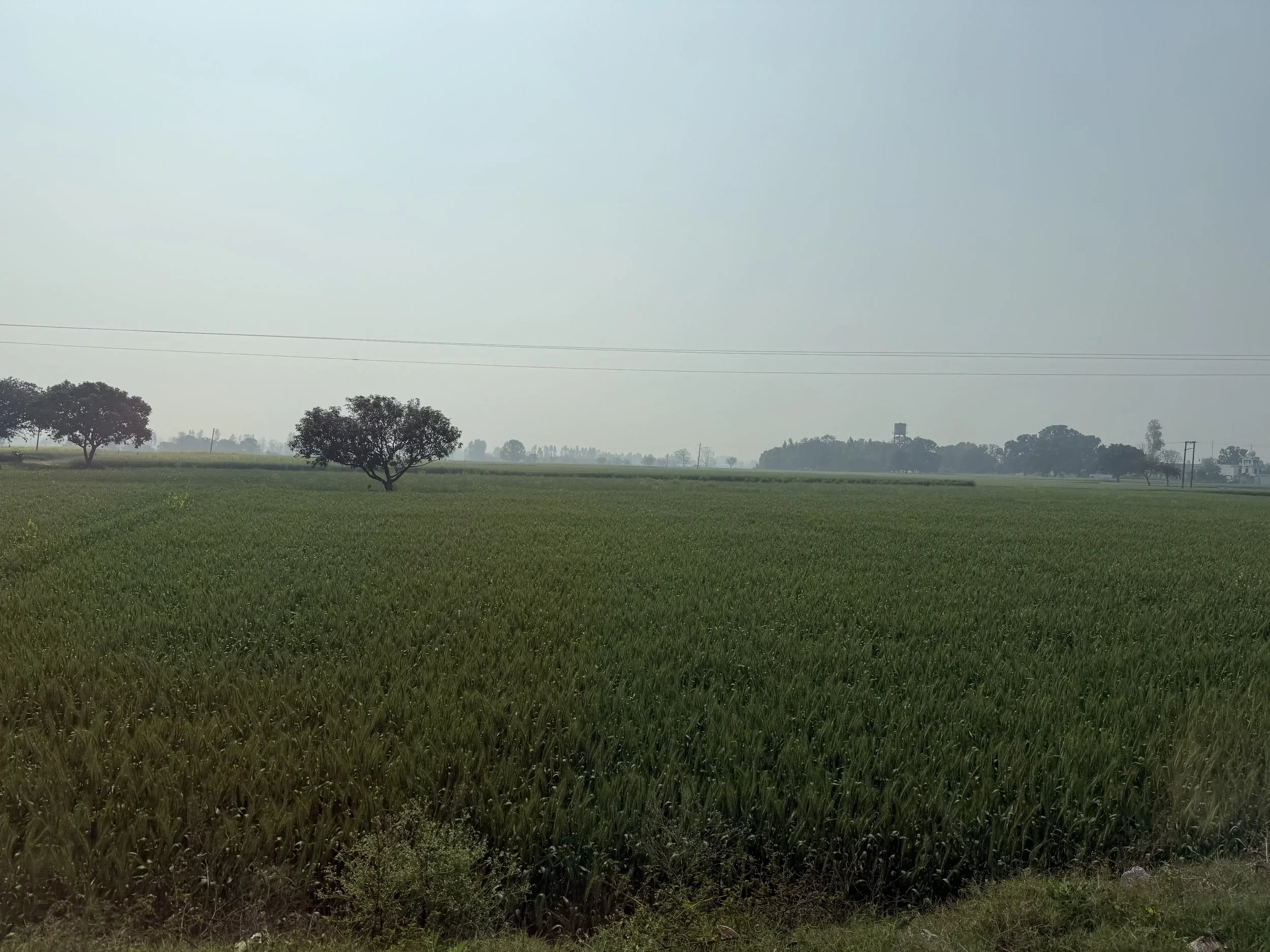
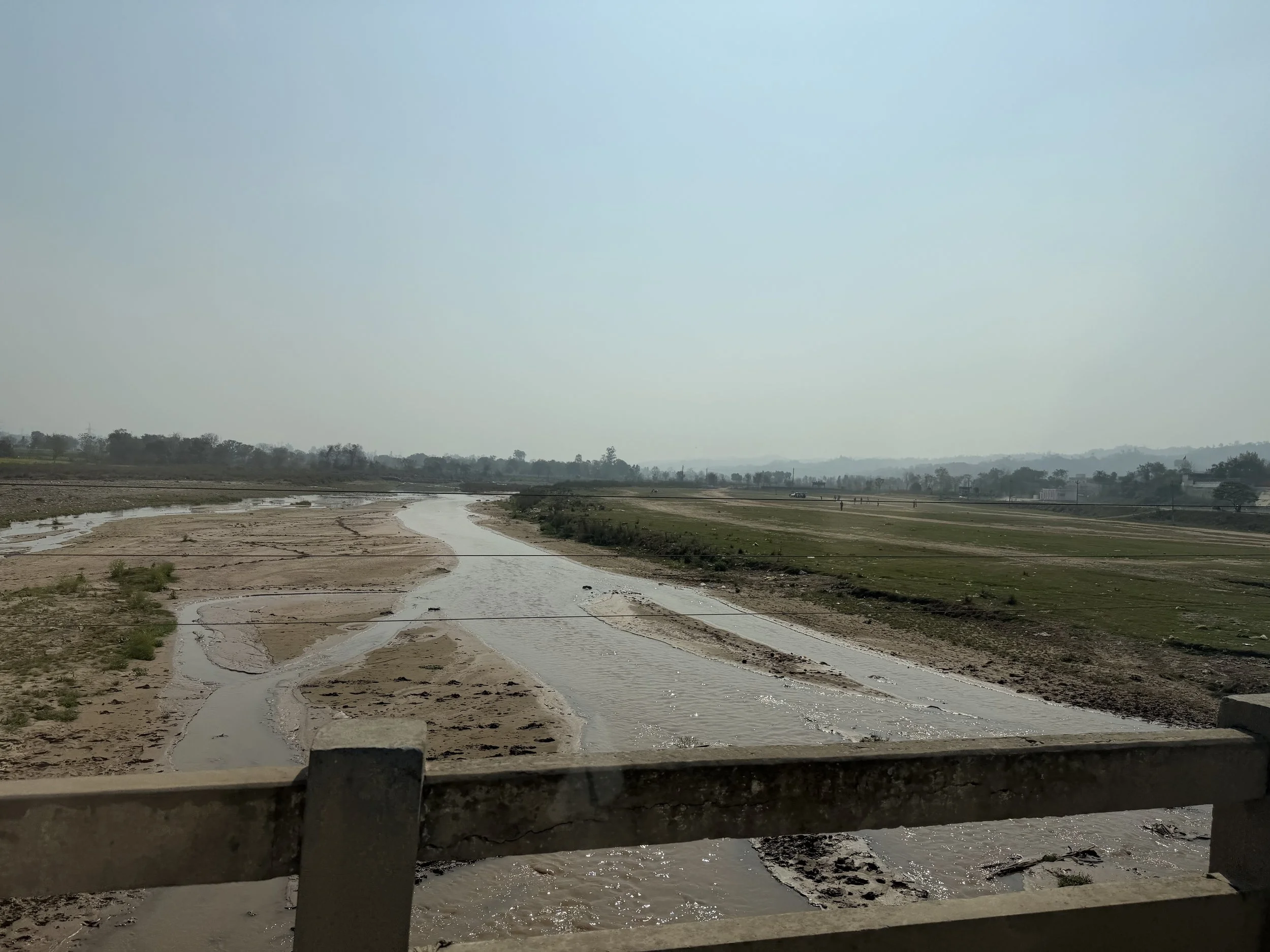
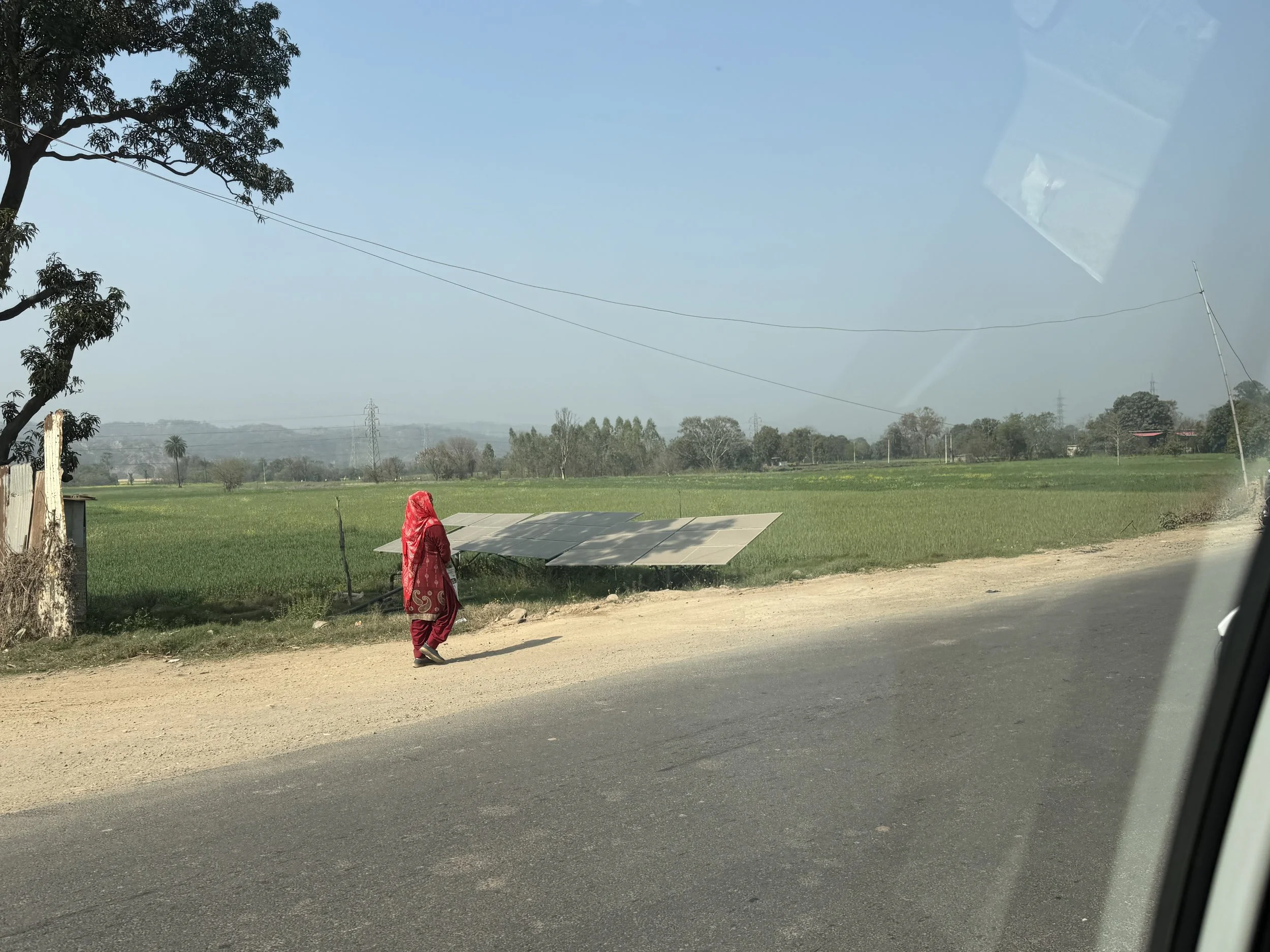
Once fully onto the plains, the scale opened up. Large fields of wheat stretched out on both sides of the road. Punjab is one of India’s main agricultural states and produces a significant proportion of the country’s wheat and rice. The neat rows of crops and irrigation channels showed how intensively the land is farmed.
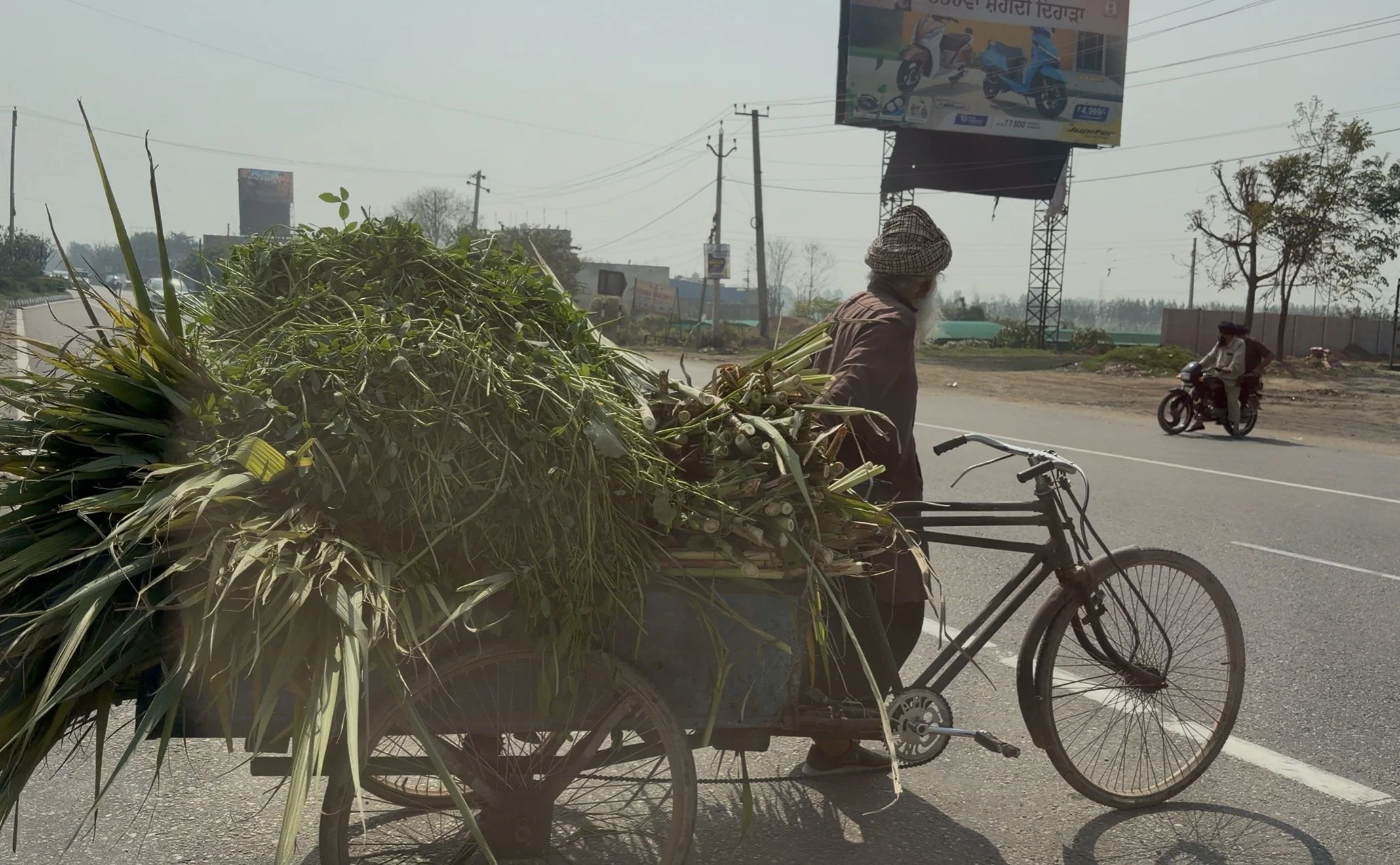
Poplar trees appeared regularly along field boundaries. They are planted deliberately as a fast-growing commercial crop, used for plywood and packaging. Sugar cane was also visible, bundled high on bicycles and tractor trolleys. We passed a man pedalling slowly with a huge load of green fodder stacked on his tricycle cart.
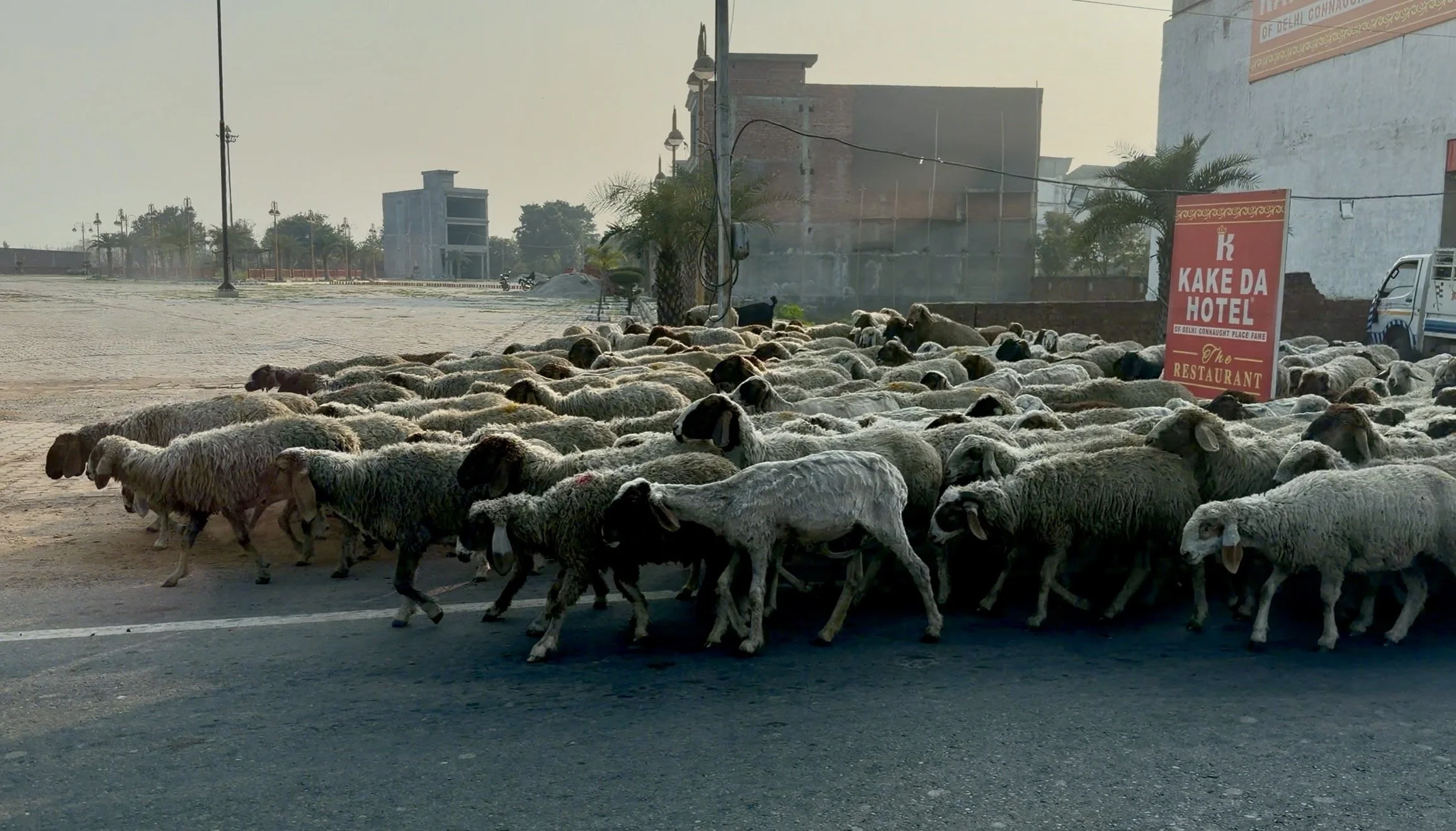
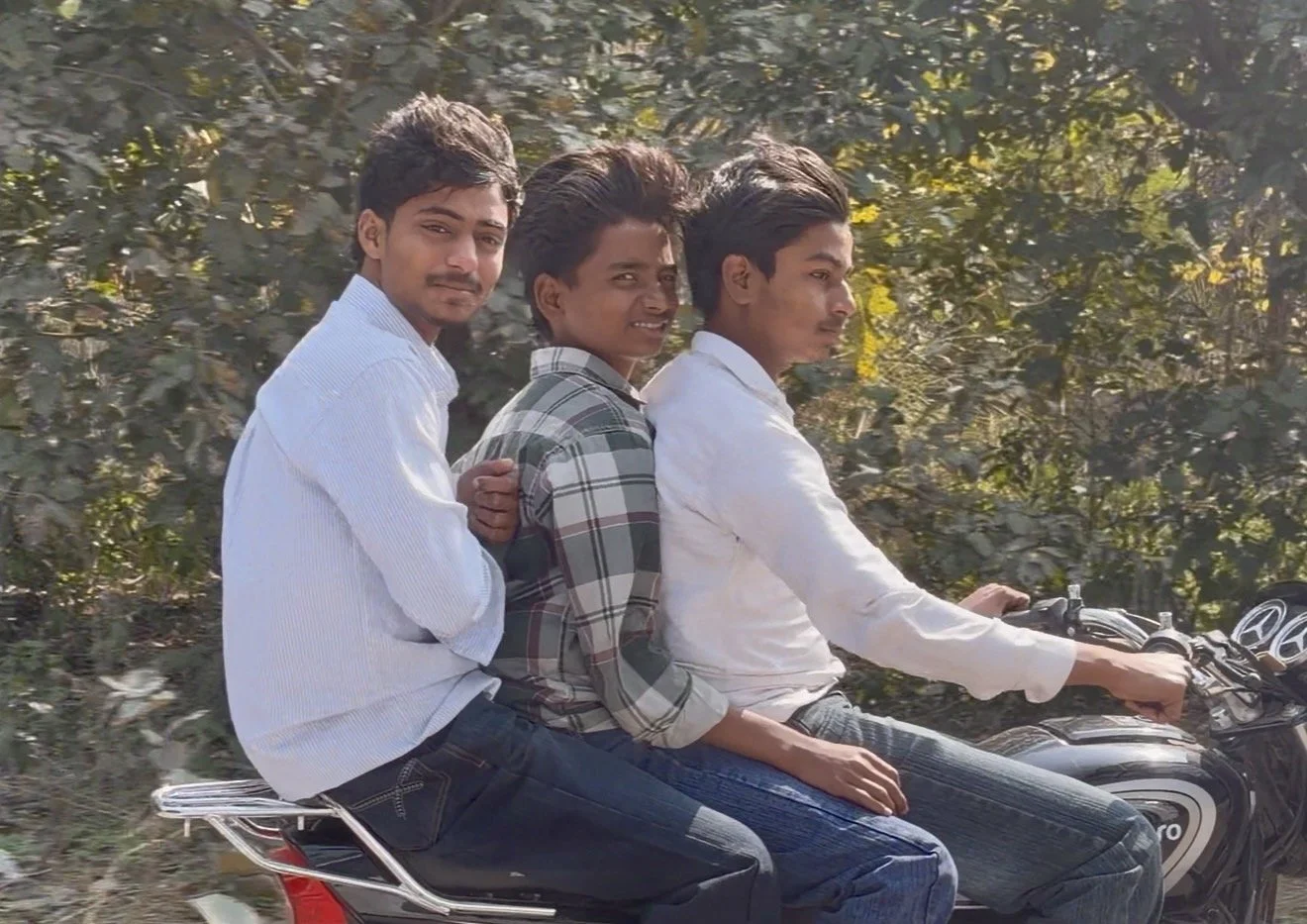
Traffic on the highway moved at its own pace. Sheep, goats and cattle lined the road and often wandered into it, slowing everything without apology. It was common to see two, three or even four people balanced on a single motorbike or bikes and cars arriving in the wrong direction.
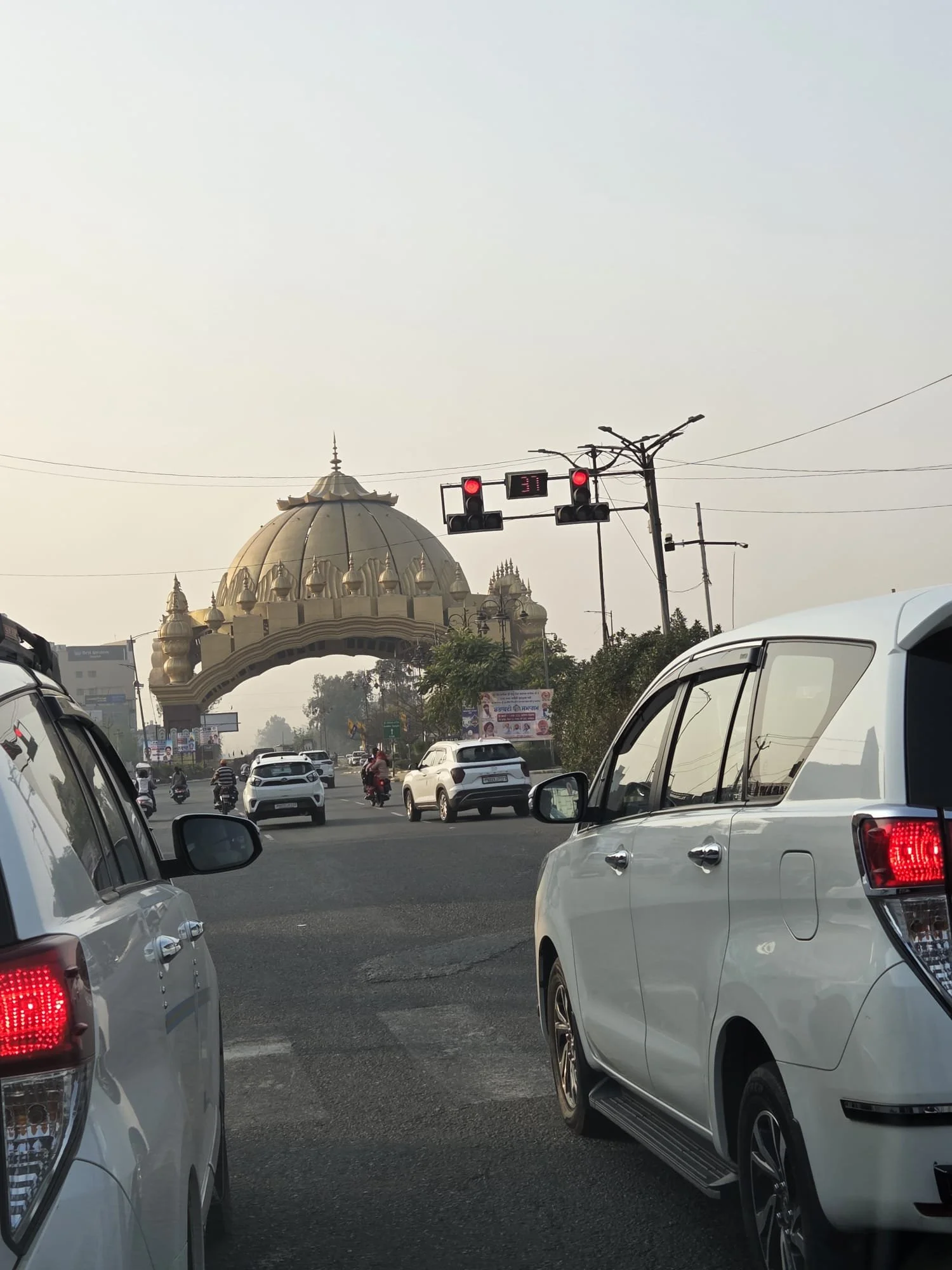
After eight hours, with several stops for coffee and lunch, we finally reached Amritsar, passing beneath a large domed gateway marking the entrance to the city.
The journey felt like a steady transition, from mountain town to agricultural heartland, as we approached Amritsar.
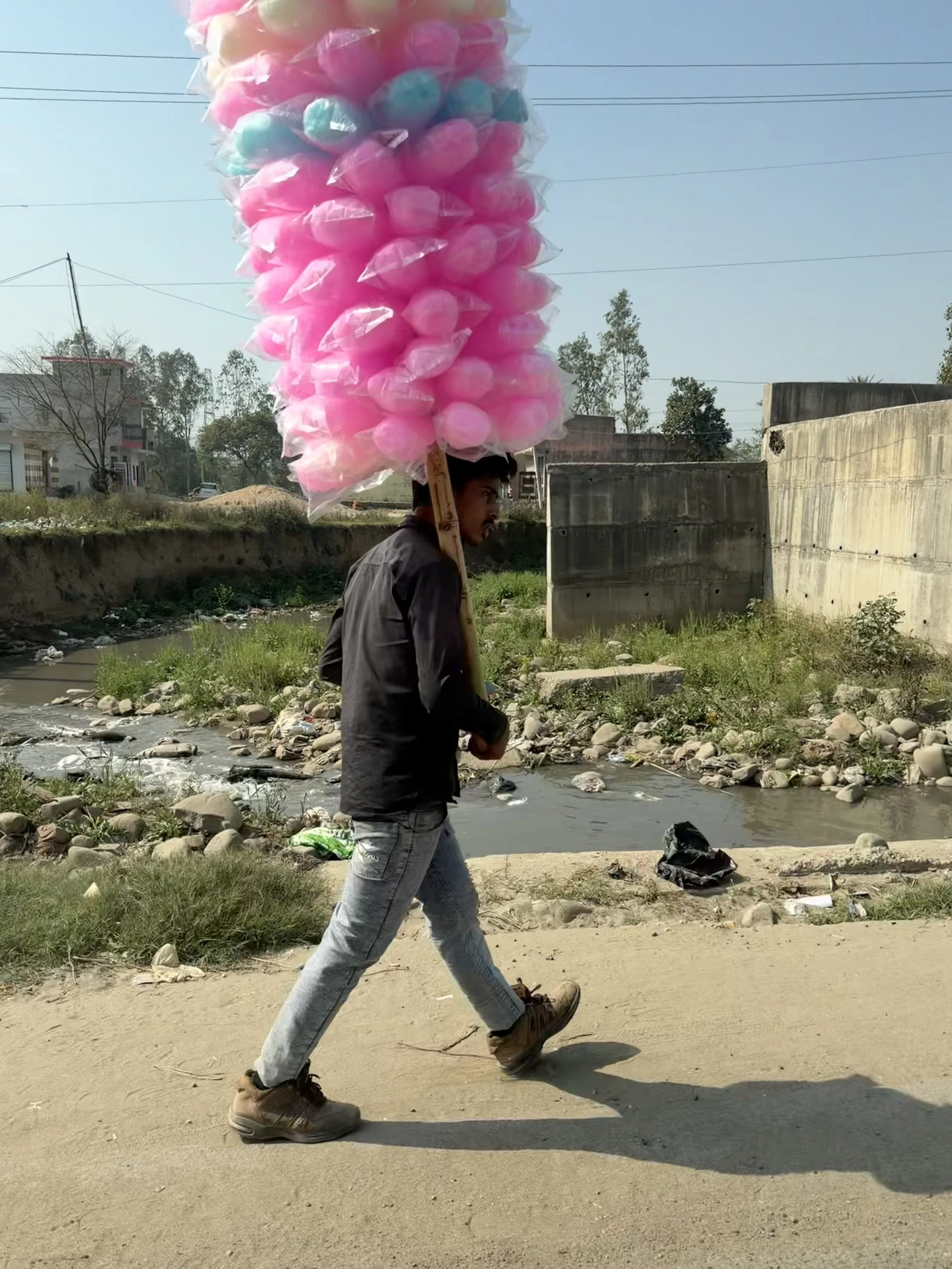
Extra note: Alongside the fields and villages, there was also a noticeable amount of rubbish — plastic bags caught in hedges, waste filling ditches and along riverbanks. At times it was difficult to look beyond it. Yet it also felt like a reminder that rapid development and rising consumption bring environmental challenges as well as progress.