Shimla - Empire, Espresso and an Ice Cream Thief
Early morning above Shimla
We started today with just the two of us slipping quietly out of the hotel before breakfast, drawn by that pale, expectant light that comes just before sunrise in the hills. Shimla was still half asleep. The air had that mountain edge to it, cold enough to nip at your fingers, but we were well wrapped up, ready for it.
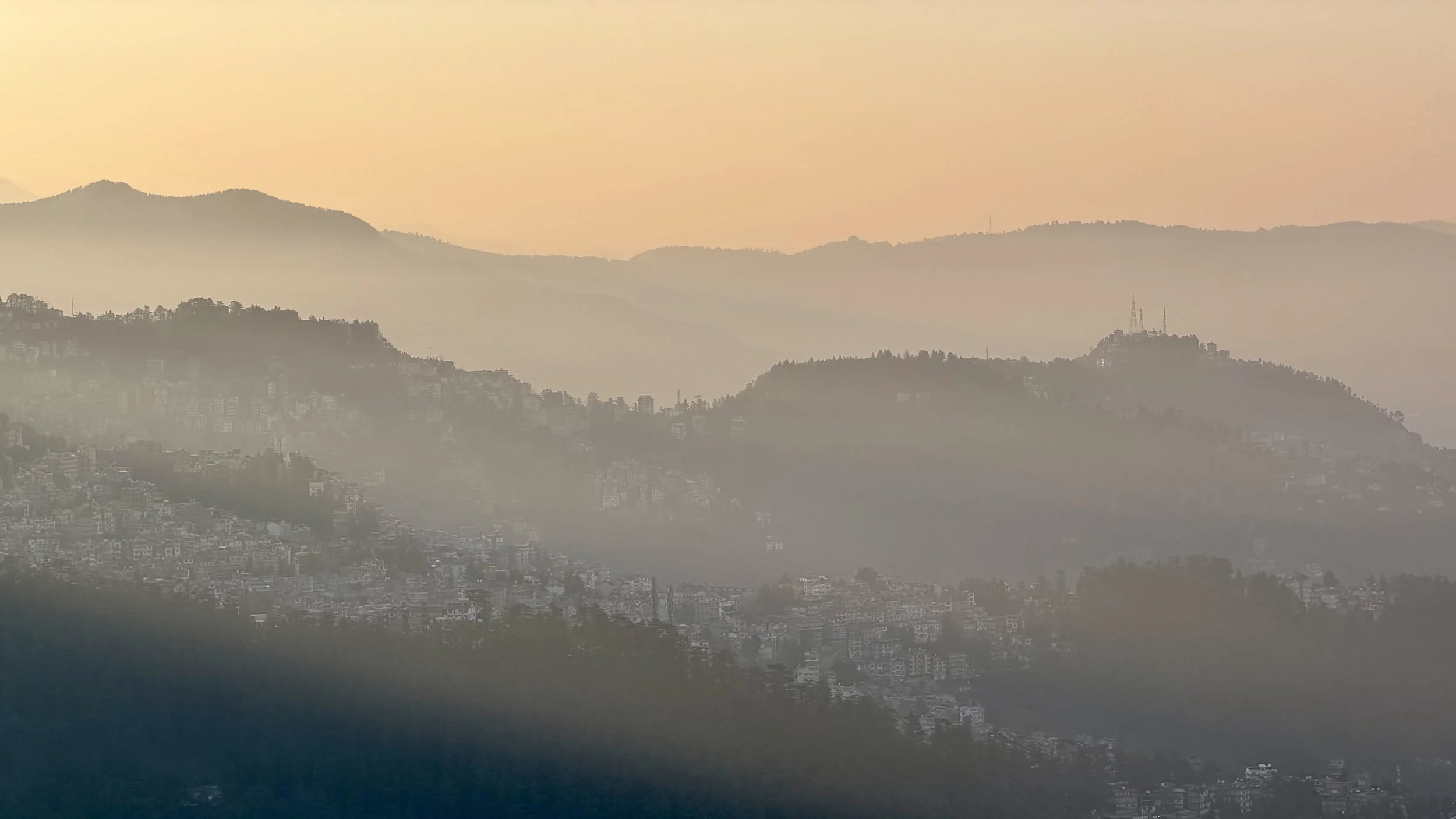
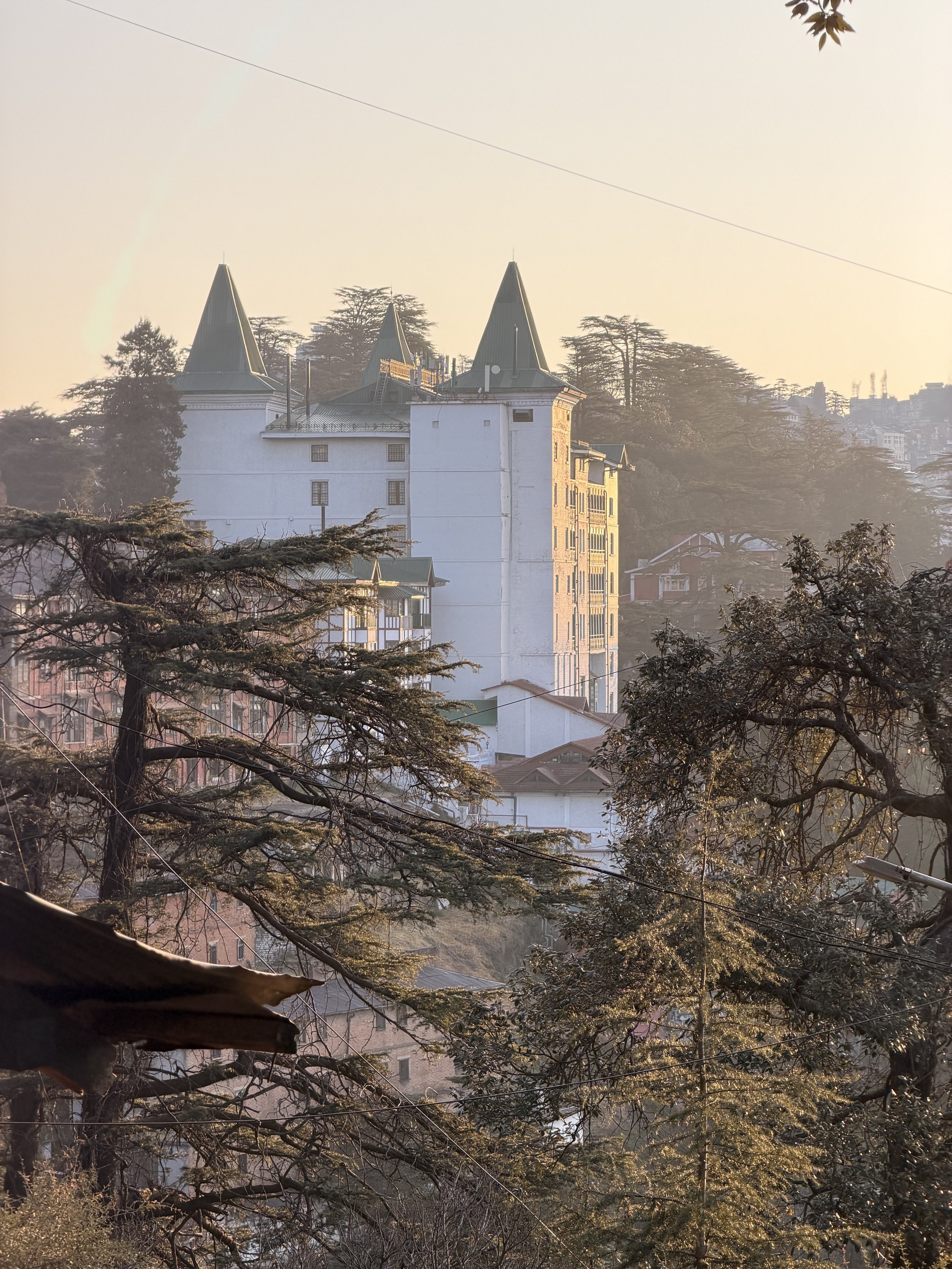
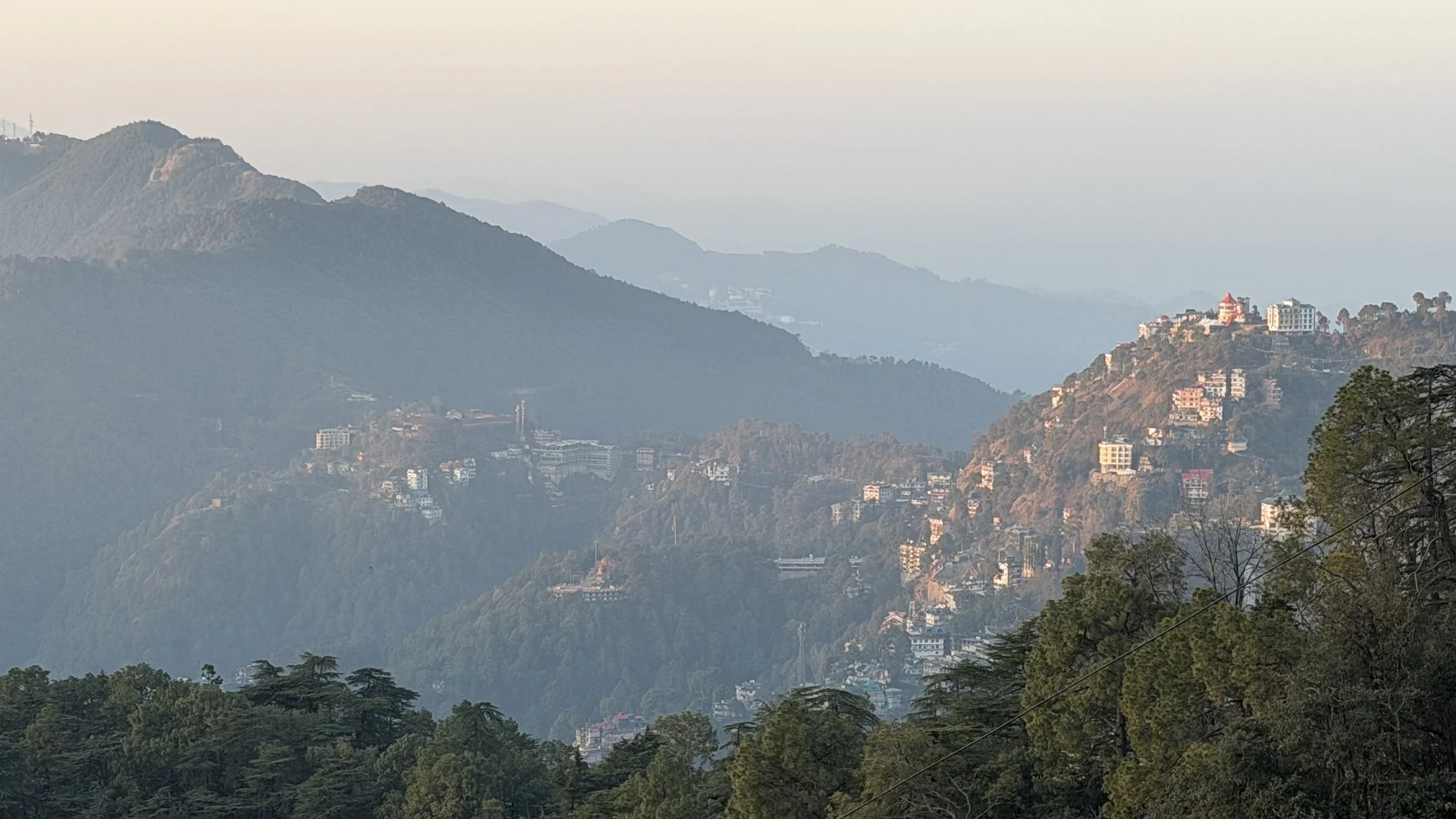
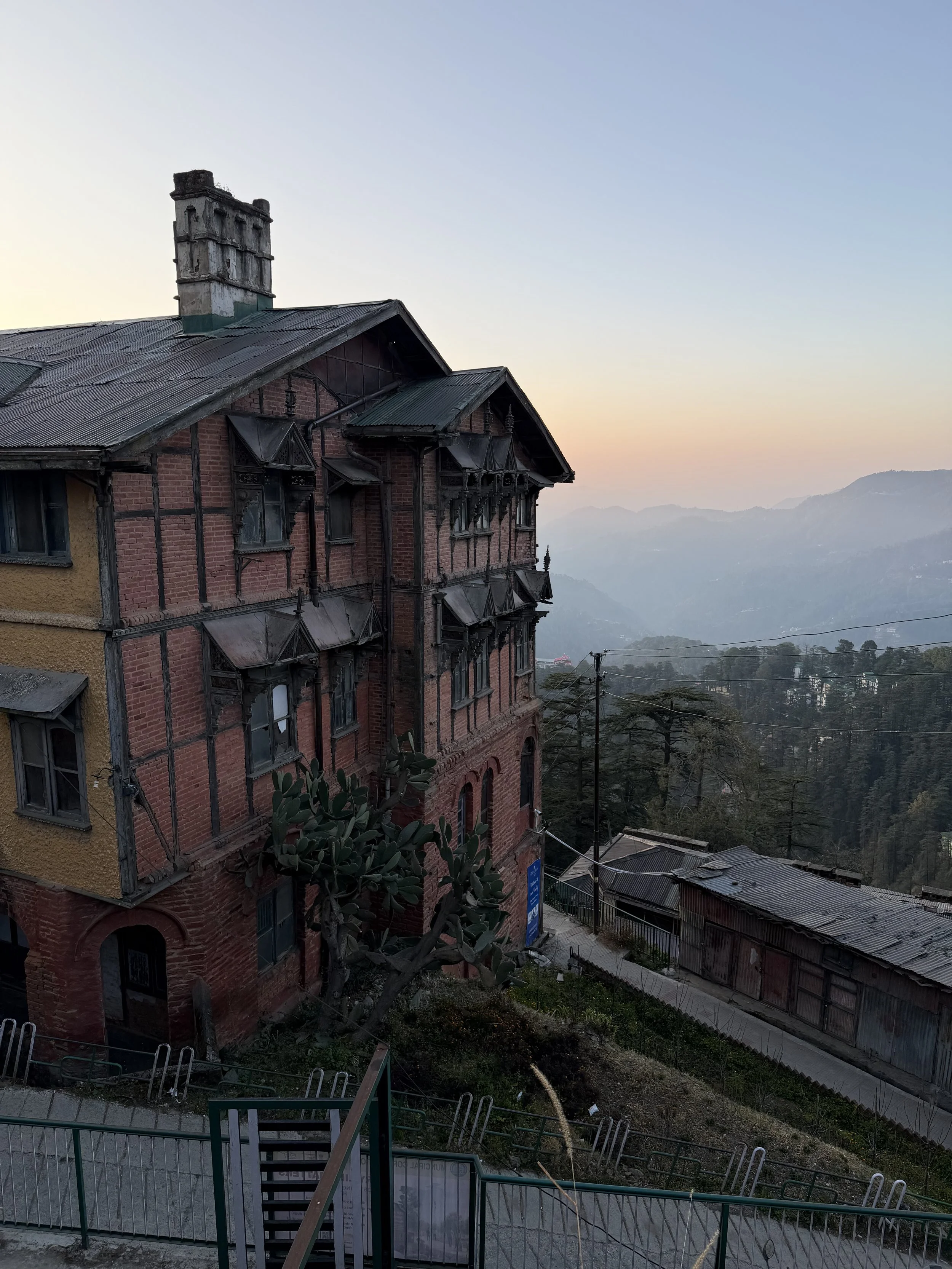
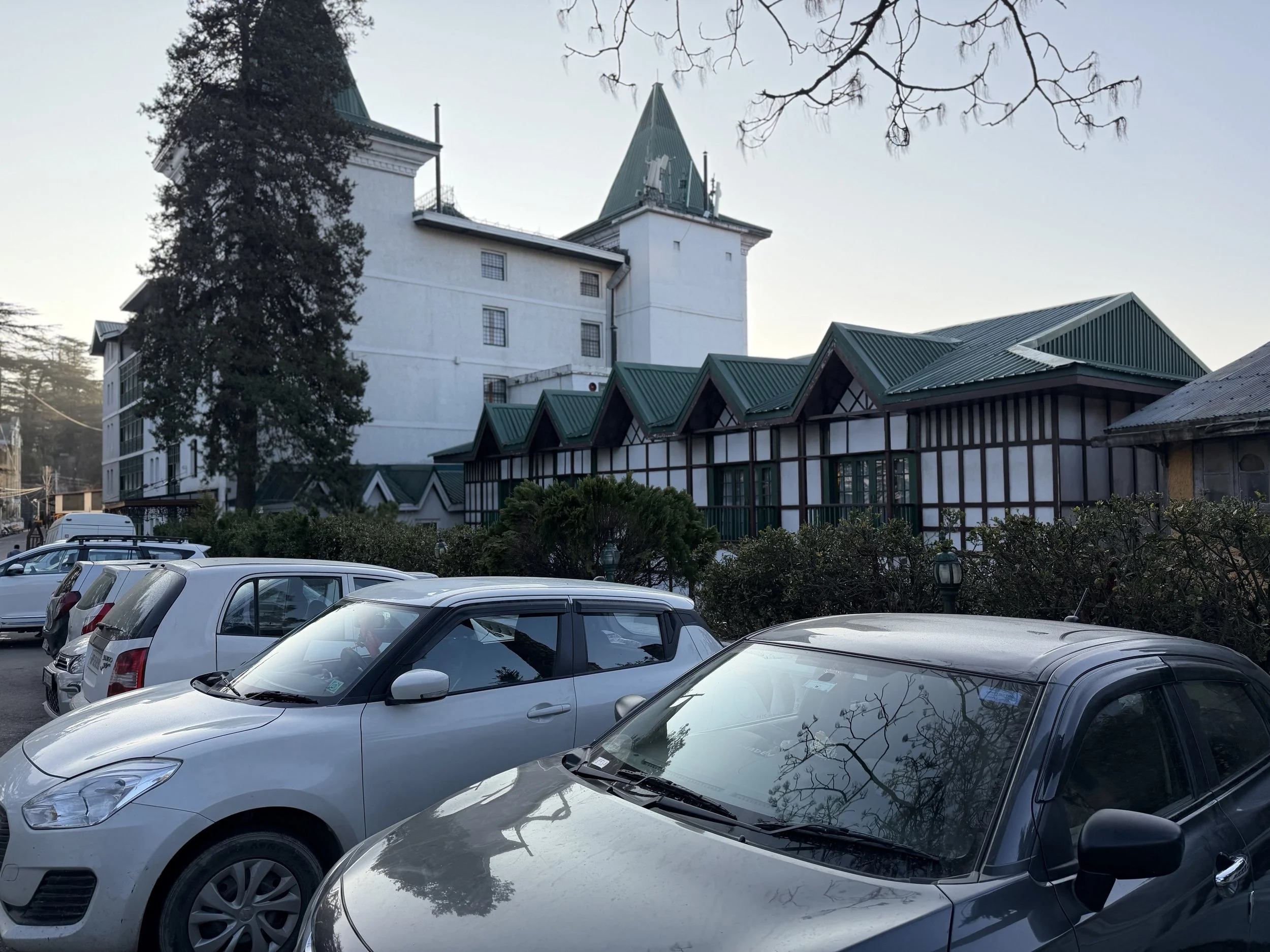
As the sun edged over the ridgeline, the layers of hills slowly revealed themselves, blue folding into grey, then soft gold. Across the valley, clusters of buildings clung to the slopes, their outlines softened by the gentle haze. Higher up, our hotel caught the first proper light, its walls warming from silver to honey as the sun continued to head across the valley.
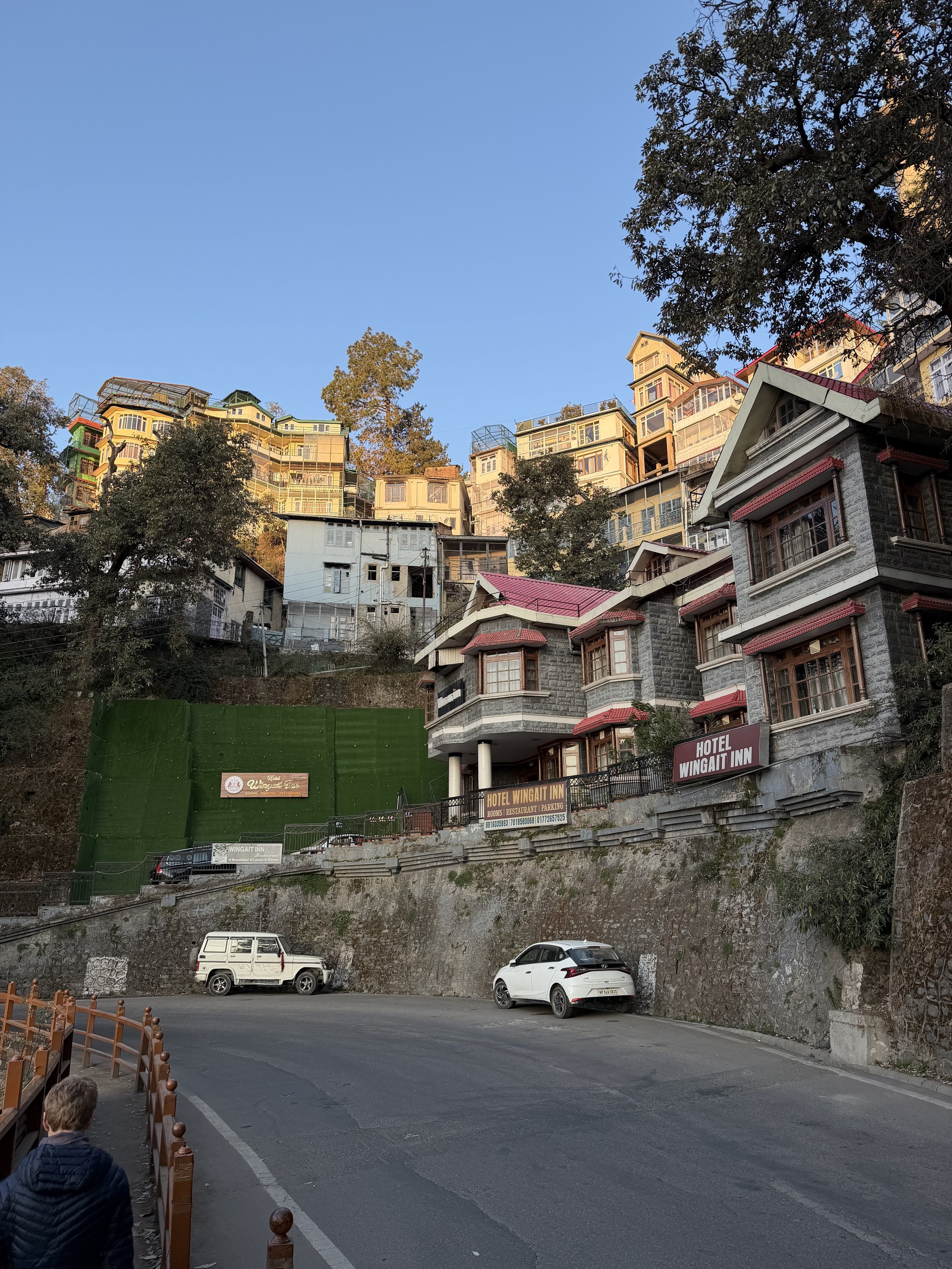
We wandered along the road near the hotel, not far, just far enough to feel we’d earned the view. Below us, rooftops stepped down the hillside; corrugated metal, timbered facades, and old brickwork hinted at Shimla’s layered past. A weathered red-brick building, with its dark timber frames and slightly sagging awnings, stood solid against the valley backdrop, a reminder of the town’s colonial inheritance.
Further along, the town began to stir. A few parked cars, shuttered shopfronts, and narrow lanes curling around the hillside. Above them, pastel houses stacked one on top of another as though carefully balanced, each with balconies and glassed-in verandas waiting for the day’s sun.
And then, as we turned back towards the hotel, the monkeys were already awake. One moved with easy confidence along a thick cedar branch, silhouetted against the brightening sky, tail swinging for balance. Another sat perched on a low wall protecting its young, hunched in quiet concentration, utterly unbothered by the cars now stirring in the car park.
Driving up to Fagu
After breakfast we regrouped and set off in a small convoy of cars, the only sensible way to travel up here. The roads twist and narrow as they climb; a full-size coach would have felt wildly over-ambitious.
Our destination was Fagu, near Kufri, a local viewpoint known for its Himalayan panoramas. On a crystal-clear day, we were told, the snow-capped peaks line the horizon in dramatic fashion. Today the air carried a soft haze, so the distant giants appeared and disappeared in layers, more suggestion than statement. Even so, the view was extraordinary.
From the ridge, the hills rolled away in overlapping folds of blue and grey, each range slightly paler than the last. In the nearer valleys, terraced fields carved precise horizontal lines into the slopes, like contour lines on a map brought to life. Clusters of houses clung to the hillsides, their pastel walls and green roofs scattered among dark pine forests. Narrow roads stitched everything together, zig-zagging improbably along ridgelines before vanishing into the folds of the land.
Everyone wandered off in their own direction, cameras clicking, trying to capture the landscapes depth that never quite translates onto a screen. The haze softened the light, giving the mountains a layered, almost watercolour quality. Patches of old snow lingered in shaded gullies, thin white streaks against the brown earth and evergreen trees. Smoke rose lazily from one distant slope, a faint plume marking human life within the vastness.
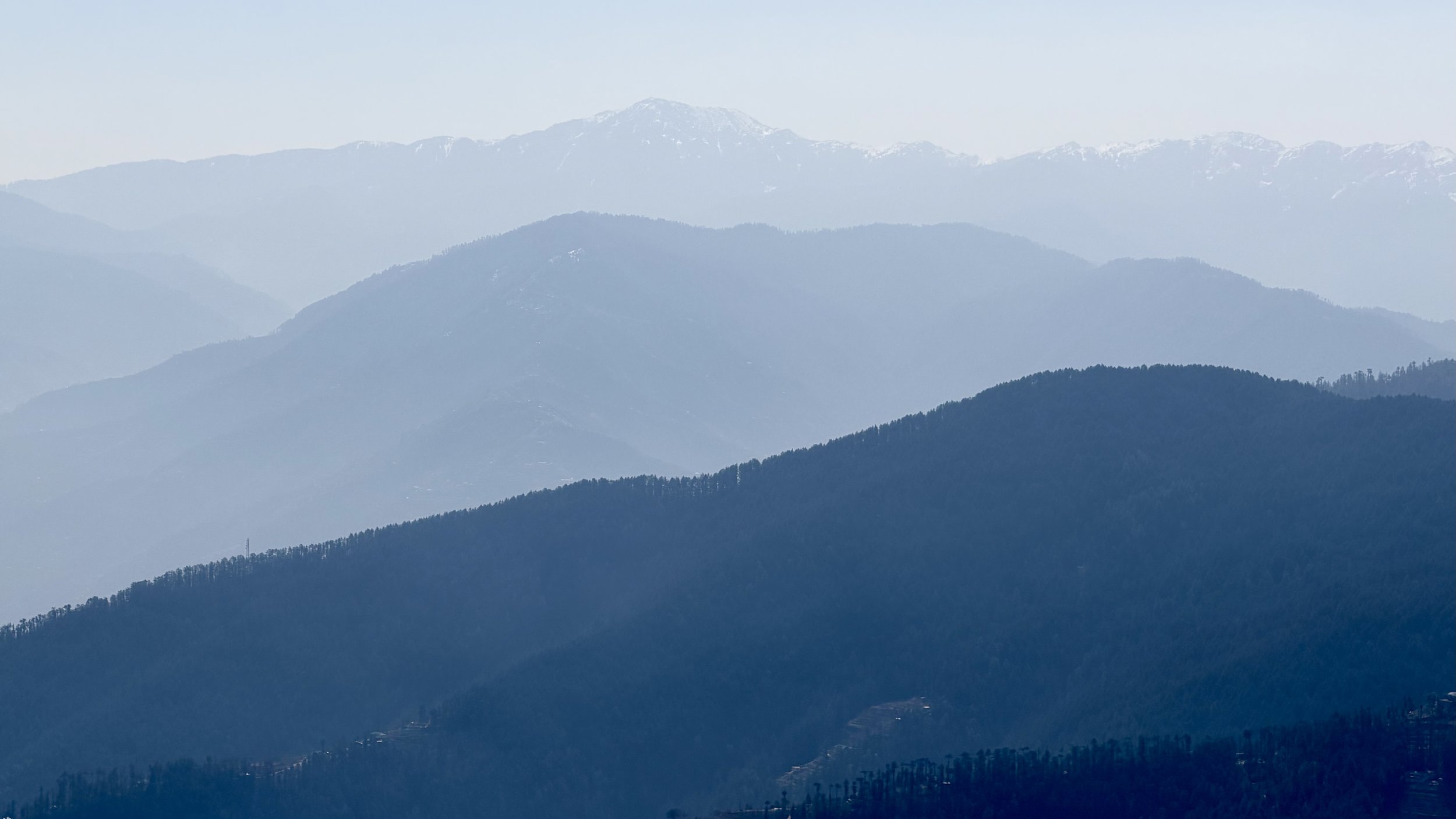
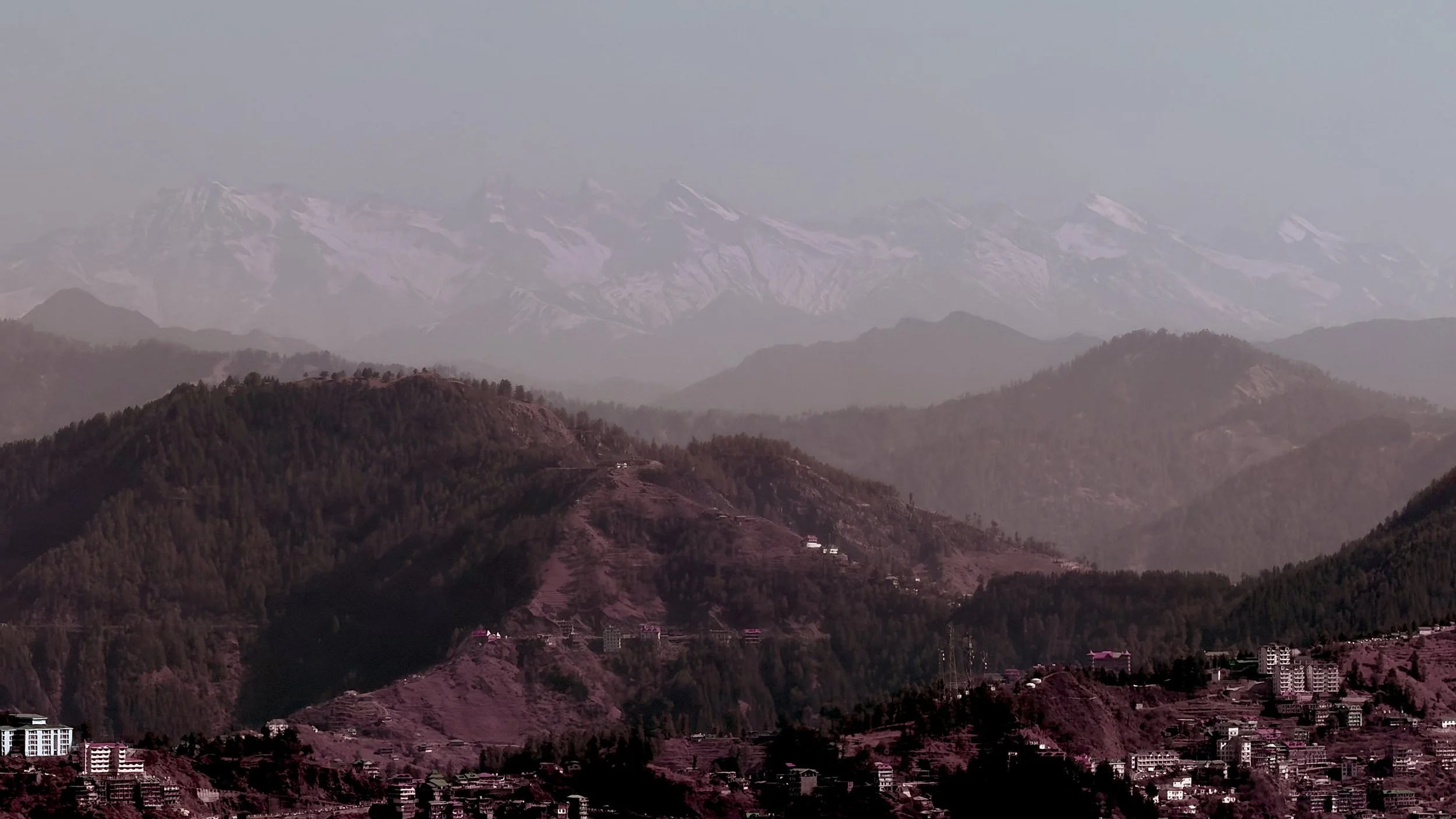
Distant Himalayas
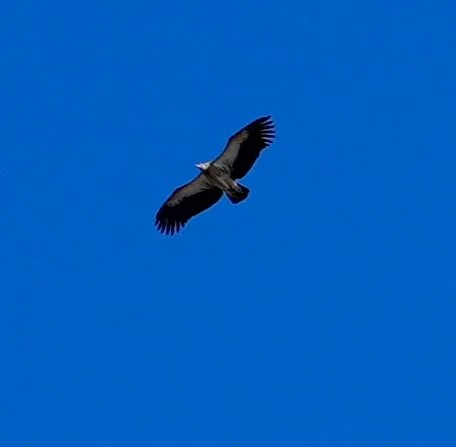
Then, as if on cue, a Himalayan Griffin circled overhead. Enormous wings, steady and unhurried, riding the thermals above us. Our guide was visibly pleased, telling us it was a rare sighting. It seemed to drift in simply to inspect this curious gathering of tourists before banking away over the valley.
We ducked briefly into the nearby Apple Blossom Lodge for a comfort break, before climbing back into our vehicles.
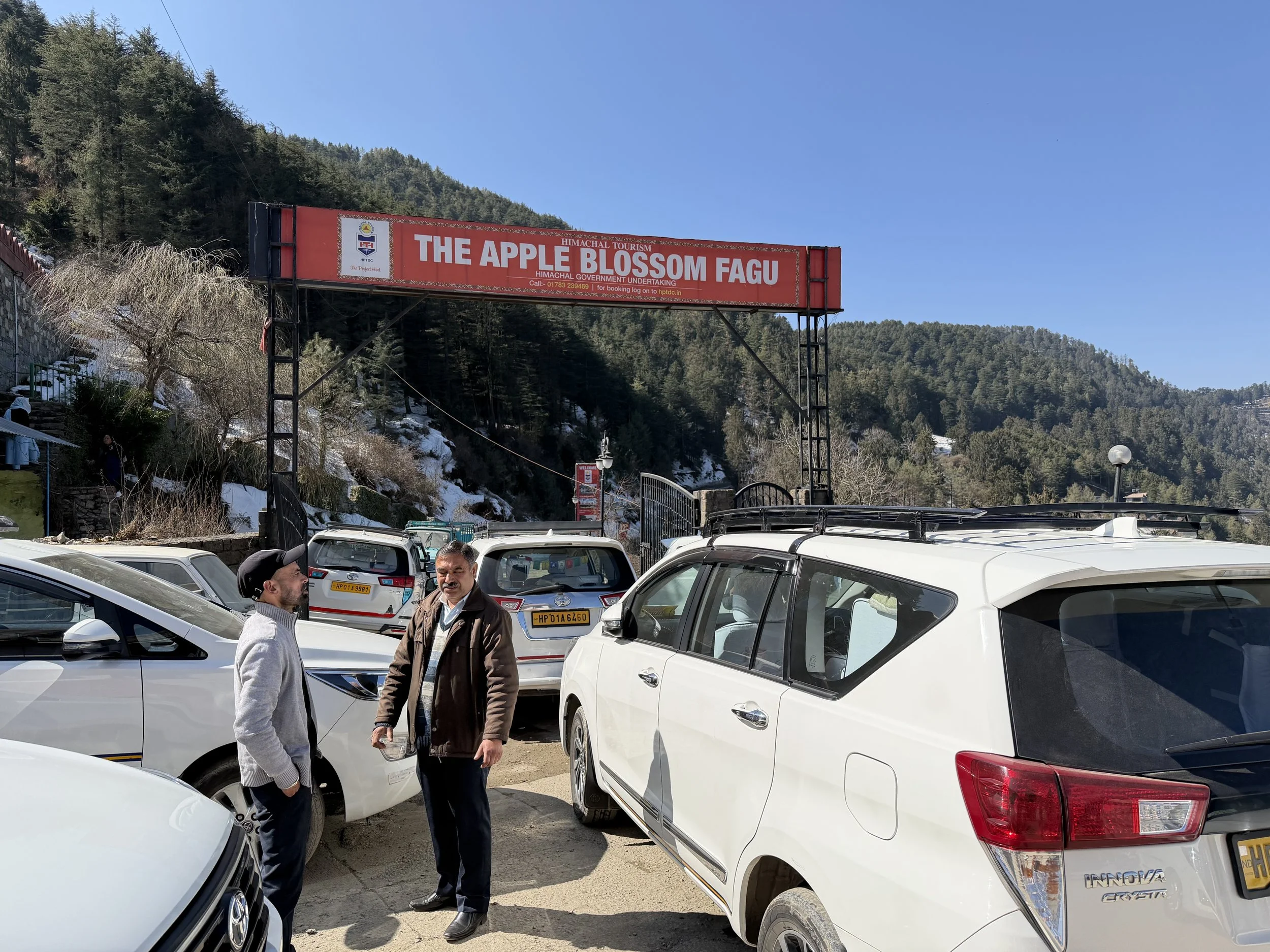
Our fleet of white Toyotas
Viceregal Lodge – Shimla’s imperial past
From Fagu we continued on to the Viceregal Lodge, sitting high on Observatory Hill and looking every inch the seat of empire. Built between 1884 and 1888 as the summer residence of the British Viceroy, it was here that the administration of India relocated during the hot season, effectively making Shimla the summer capital of British India. Decisions that shaped the subcontinent were made within these walls, including discussions that would eventually lead to Partition in 1947.
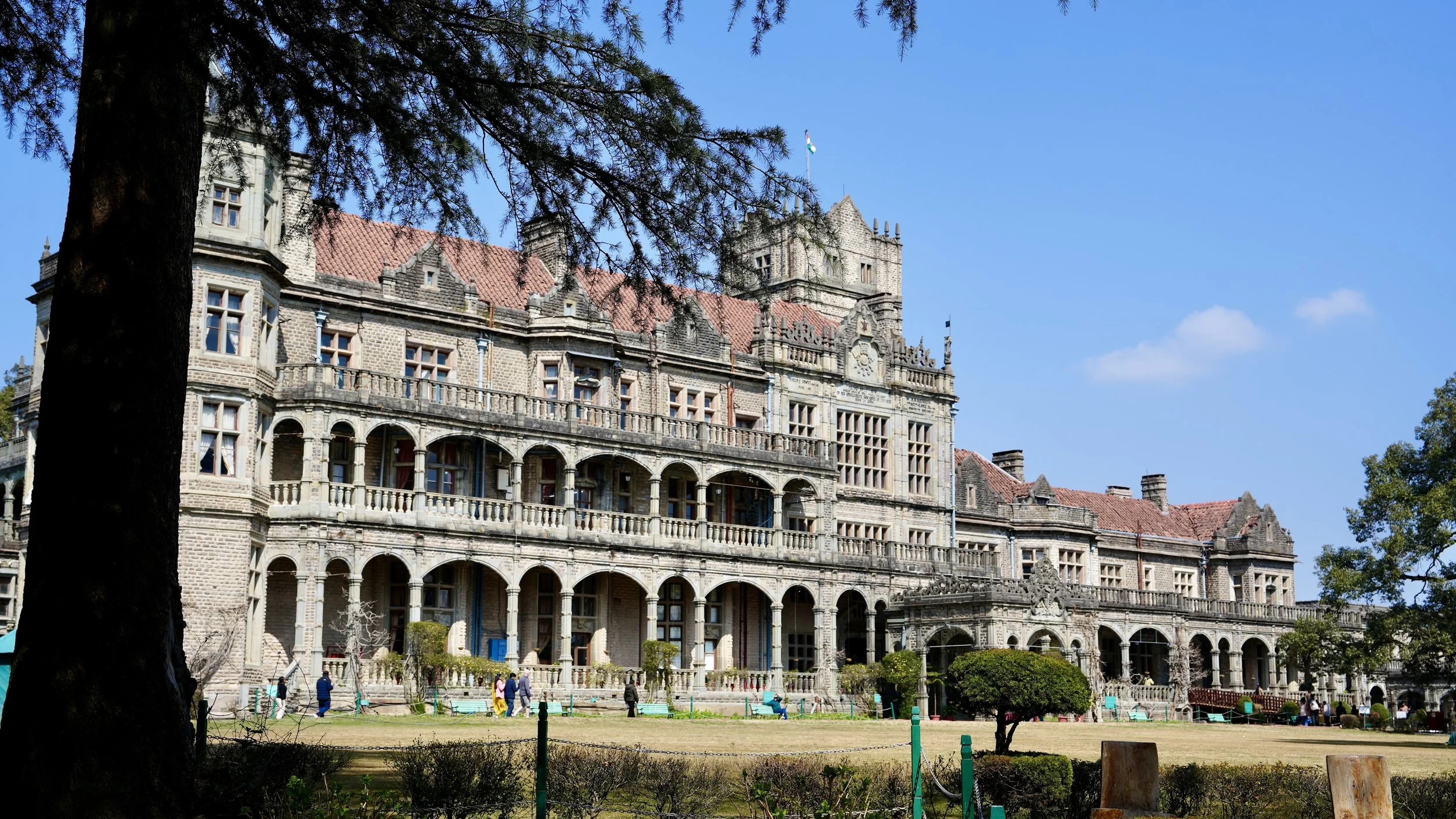
Viceroy house, Shimla
Grey stone walls, long arcaded verandas, steep red-tiled roofs and corner towers give it the air of a Scottish baronial castle transplanted to the Himalayas. The Indian tricolour now flies above the central tower, a quiet but powerful reminder that the building’s story did not end with empire.
We were ushered inside by a rather stern guide who made it very clear: phones off, no photographs, and absolutely no wandering. The tone felt faintly ceremonial, as though we were being admitted into something still slightly official. The tour itself was brief. A handful of rooms displaying historic photographs, viceroys and senior Indian officials in stiff collars, formal gatherings on these very lawns, and then into the grand entrance hall.
The most striking feature inside was the rich walnut ceiling, carved in intricate detail and which had never been polished. The wood, brought from Burma, gives the interior a warmth that contrasts with the austere stone exterior. The entrance hall rises impressively, its heavy staircase and carved balustrades designed to convey authority as much as elegance. You could almost imagine boot heels echoing across the floorboards and hushed political conversations taking place beneath that ceiling.
Back outside, we were promptly reminded not to step on the grass. Even so, standing at the edge of the lawn, it was hard not to admire the Lodge’s presence. Framed by tall cedar trees and set against a cloudless blue sky, it dominates the hilltop and remains an undeniably impressive structure.
Our little fleet of white cars reappeared as promised and carried us down into the heart of Shimla. Lunch was unhurried and civilised, as the group continues to get to know each other.
The Mall and the Ridge
Afterwards we set off along what everyone simply calls The Mall. Built during the British Raj as Shimla’s social promenade, it was designed quite deliberately to be traffic-free, a place for evening strolls, gossip and shopping. That tradition hasn’t really changed. Today it is a steady flow of families, honeymoon couples, teenagers with selfie sticks, and the occasional bewildered foreigner trying to keep up with their guide’s commentary.
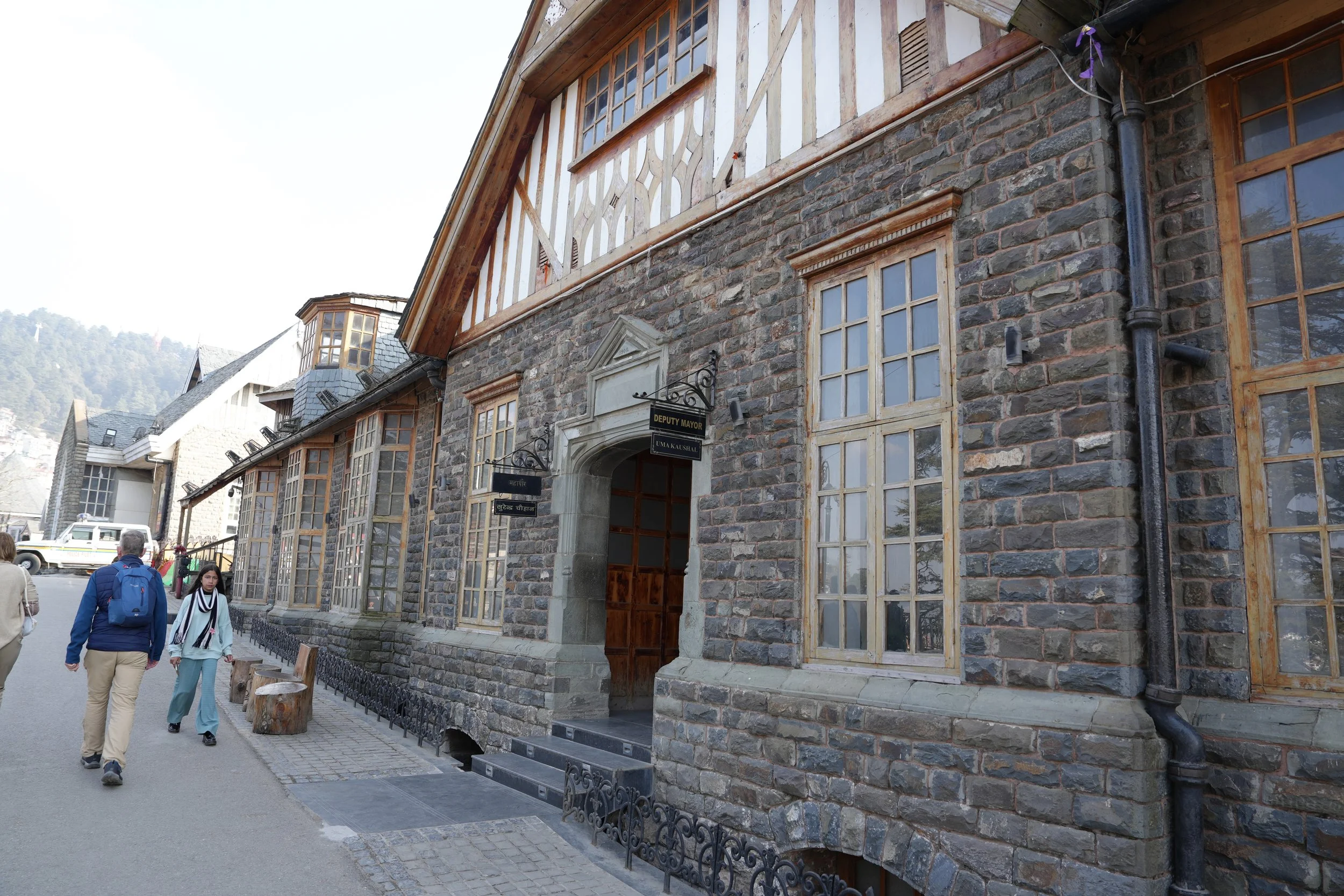
The stone buildings along the Mall speak unmistakably of another era. The former Municipal Corporation building, all grey stone and pointed arches, stands with slightly stern dignity. Also on the Mall, is the Gaiety Theatre, opened in 1887 and once part of the Town Hall complex. Rudyard Kipling reportedly performed here; amateur dramatics in the summer capital were serious business. Inside, the small Victorian theatre is unexpectedly intimate, curved balconies, painted columns in deep greens and blues, and rows of dark seats rising steeply. Standing on the stage looking back at the empty auditorium, it was easy to imagine Edwardian audiences in evening dress applauding enthusiastically under gaslight.
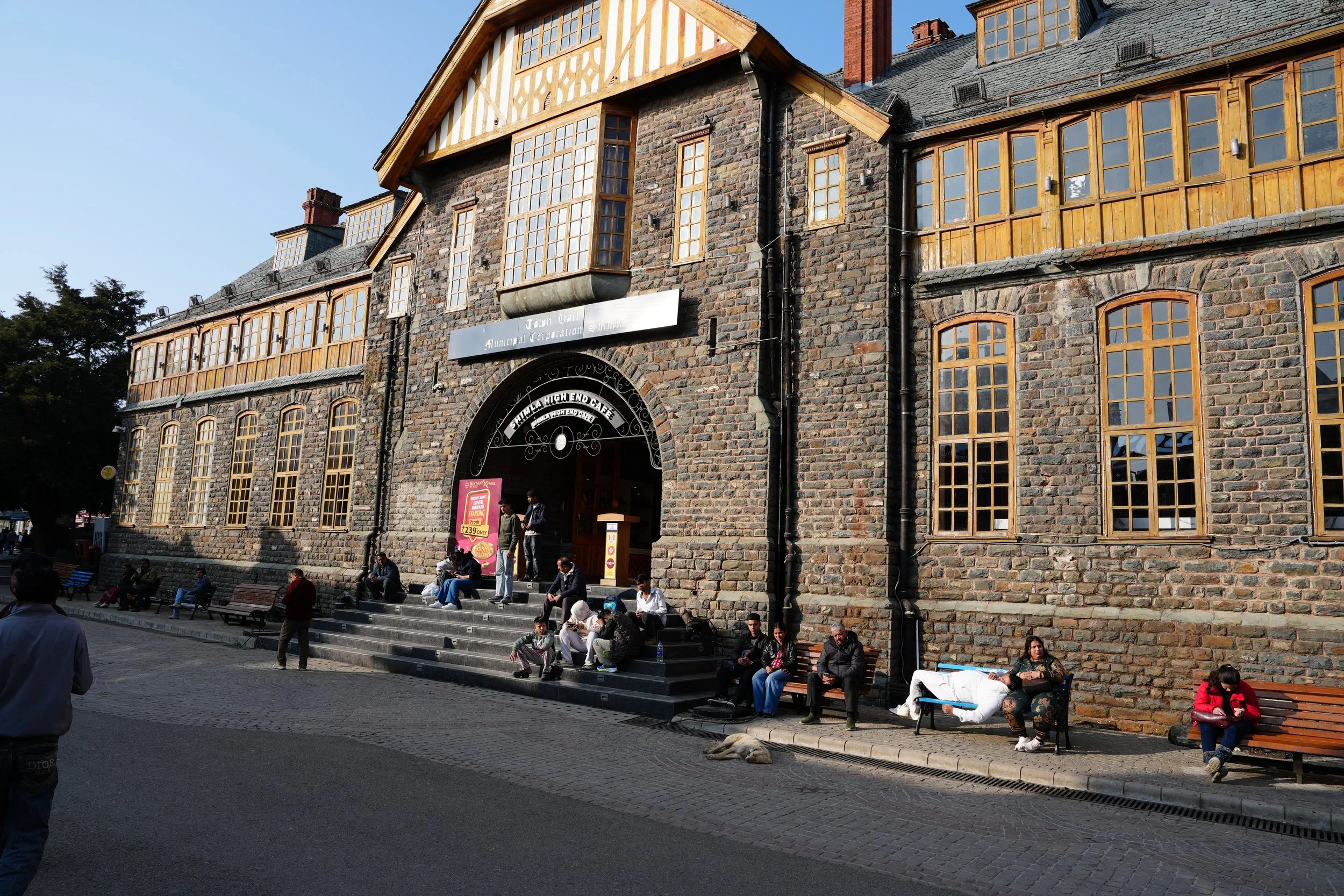
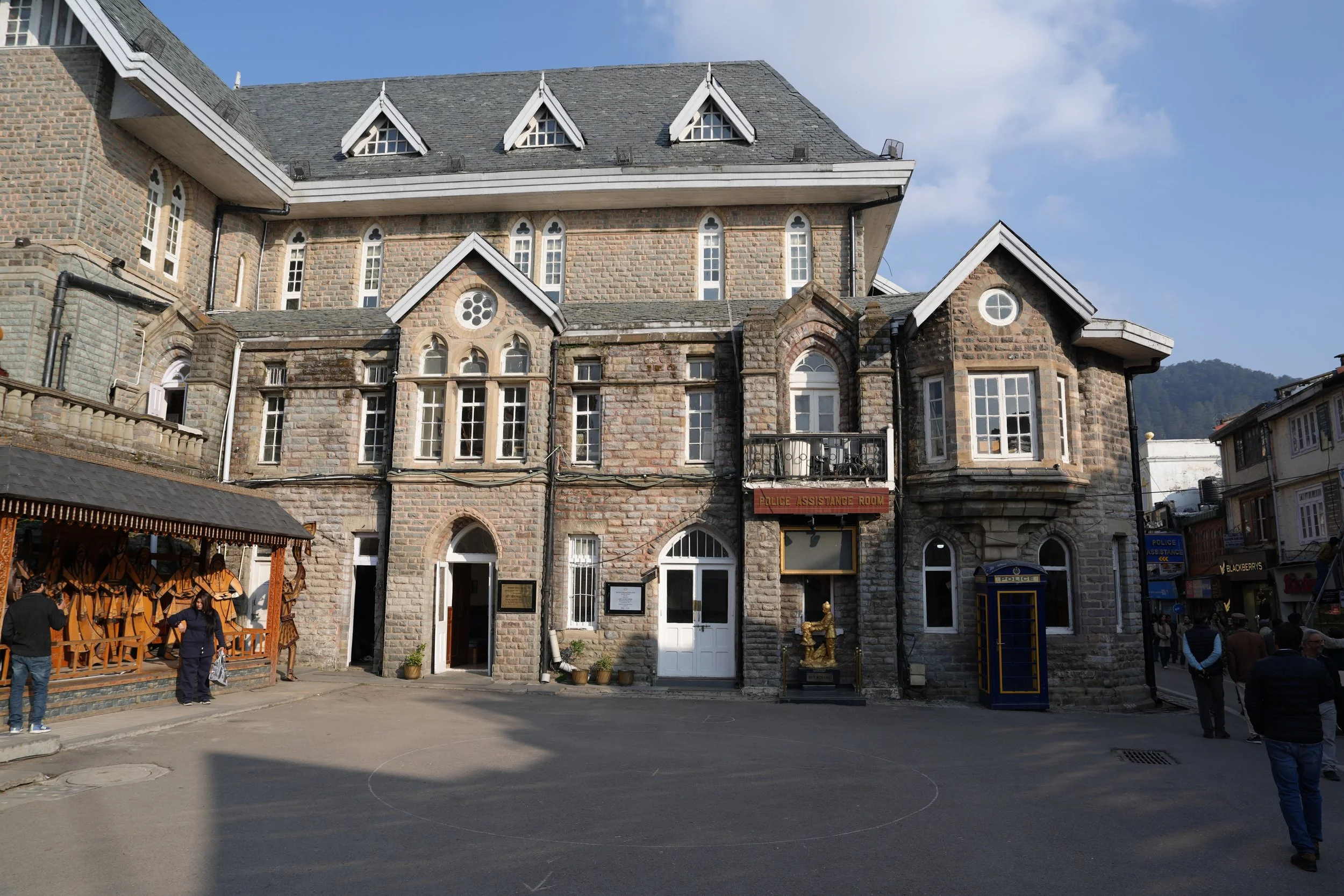
Further along we reached Scandal Point, where the Mall meets the Ridge. The name, so the story goes, comes from an 1892 incident when the Maharaja of Patiala allegedly eloped with the daughter of a British official from this very spot. Whether entirely true or not, the story has endured far longer than the outrage. From here the views open out across the valleys, and it remains a natural gathering place. It was also where we were given a slightly earnest safety briefing: monkeys can and will snatch food and bags, haggle firmly but politely, and do remember where the hotel is.
And then we were released.
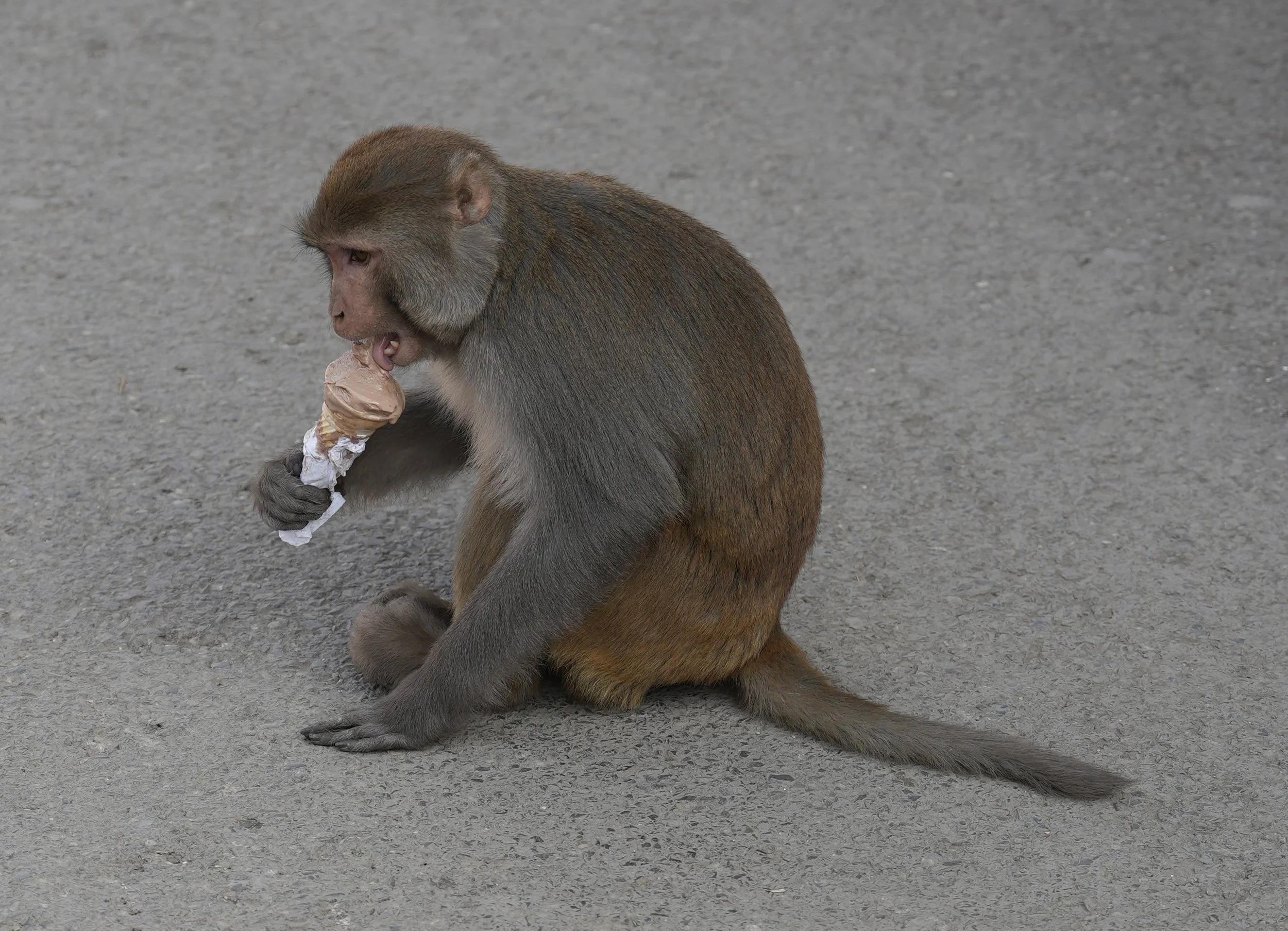
Monkey eating a thieved ice cream
Freedom, coffee, and mild panic
There is something faintly comic about being ceremonially “set free” in a town that is perfectly manageable, but we understood the good intentions. Still, it reminded us why we tend to travel independently. We promptly exercised our freedom by doing something deeply ironic, celebrating with a Costa Coffee. Globalisation in the Himalayas!
That small act of independence was briefly overshadowed by a surge of panic when I realised I had left my camera behind. The sort of cold jolt that travels from stomach to throat in a second. Thankfully, it was exactly where I’d left it, waiting patiently on a chair as though mildly disappointed in me.
Christ Church on the Ridge
Refreshed and reunited with my camera, we wandered back up towards the Ridge. A Himachal Pradesh police officer in a striking yellow and navy turban stood on duty, immaculate and watchful, while just a short distance away a monkey sat contentedly on the road eating an ice cream cone with remarkable concentration. The earlier warning about monkeys suddenly felt less theoretical.
We paused at the bright yellow Christ Church, its pale Gothic arches rising cleanly against the blue sky. Completed in 1857, it is one of the oldest churches in North India. The red cross high on the tower catches the light long before you reach the steps. Inside, the space is surprisingly calm: dark wooden pews, polished brass, and stained glass windows representing Faith, Hope, Charity, Fortitude, Patience and Humility. Purple drapes framed the altar when we visited, a reminder of the church’s continuing life rather than simply its colonial past.
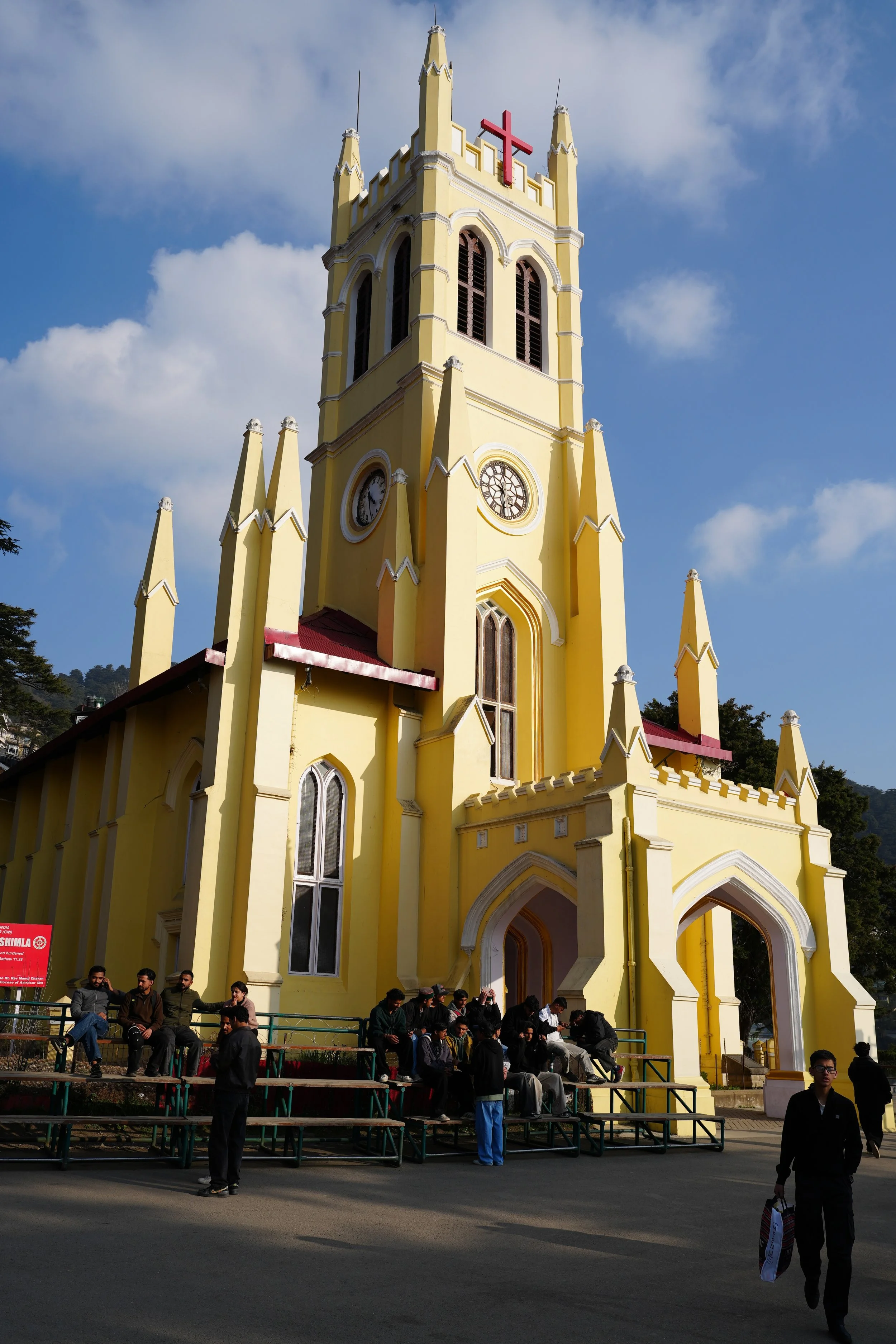
Christ Church, Shimla
As the afternoon softened, families gathered in front of Christ Church, posing for photographs, children darting between benches, stray dogs stretched out in patches of sunlight. The Ridge itself, once the centre of British social life, now belongs firmly to Indian holidaymakers enjoying their own hill station heritage.
Evening light over Shimla
Eventually we began the gentle walk back towards the hotel. The red and white timbered façades along the road glowed in the lowering light, overhead wires cutting sharp lines against the sky. The air cooled quickly as the sun slipped behind the hills.
It had been a day of grand buildings and small moments: imperial theatres, scandalous legends, coffee shop panic, and monkeys with ice cream. Shimla, despite its colonial architecture and steady flow of tourists, feels surprisingly easy to settle into, a town that acknowledges its history without being defined by it, and carries on with everyday life around it.